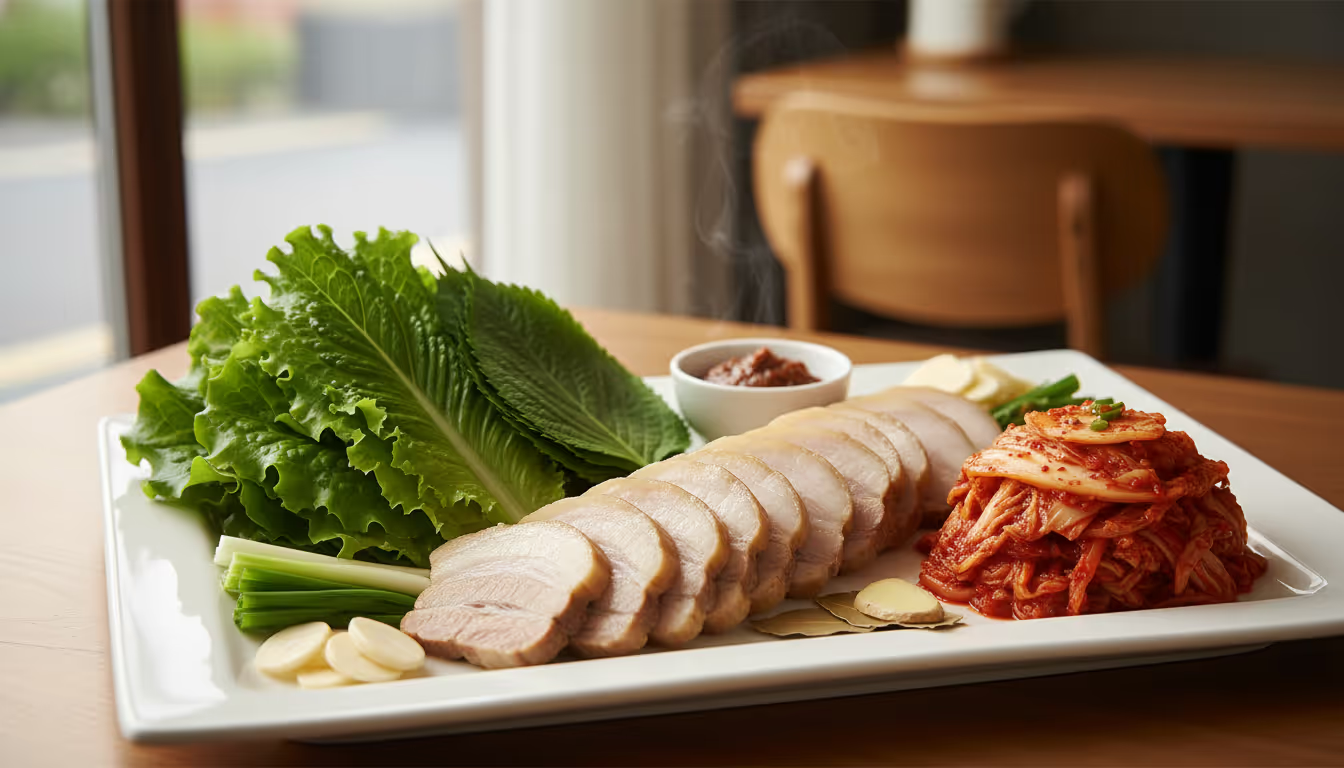
Bossam (Korean Boiled Pork Wraps)
- Korean Food Addict
- May 18, 2025
Bossam (Korean Boiled Pork Wraps)
Bossam is a representative Korean dish where boiled pork is wrapped in kimchi and fresh vegetables. The pork is first seared to lock in juices, then thoroughly boiled with soybean paste and various aromatics to create tender, moist meat. It's especially delicious when eaten with freshly made kimchi during kimchi-making season, and is popular for special occasions and entertaining guests.
Origin and Meaning of Bossam
The name "bossam" combines "bo" (meaning "to wrap") and "ssam" (wrap), referring to the method of wrapping meat in vegetables. Traditionally eaten with freshly made kimchi during kimchi-making season, the savory richness of pork harmonizes with the crispy texture and fermented umami of kimchi to create a special flavor. Since ancient times, it has been a precious food eaten at feasts and special occasions.
Cooking Tips
The most important secret to making delicious bossam is searing the meat first. Searing the outside prevents juices from escaping, maintaining a moist and tender texture even after boiling. Adding soybean paste during boiling removes gamey smells and adds deep flavor, while bay leaves and ginger eliminate any unpleasant odors. Don't remove the meat immediately after boiling - letting it rest for about 5 minutes allows juices to redistribute into the meat, making it even more delicious.
Storage and Uses
Bossam is most delicious when eaten freshly made, but leftover meat can be refrigerated for 2-3 days or frozen for about a month. While delicious eaten cold, warming it slightly before eating makes it even more tender. The basic way is to wrap it in lettuce or perilla leaves, but it's also delicious served over rice or added to ramen.
Instructions:
- 1
- 2
- 3
- 4
- 5
- 6
Season the Pork
- Prepare 600g pork belly for boiling
- Sprinkle black pepper evenly on both sides
- Coat entire surface with oyster sauce
- Season the Pork
- Prepare 600g pork belly for boiling
- Sprinkle black pepper evenly on both sides
- Coat entire surface with oyster sauce
- Sear the Pork
- Heat an ungreased pan until hot
- Sear seasoned meat until browned on all sides
- Searing the outside prevents juice loss, maintaining tenderness and flavor
- Prepare for Boiling
- Fill pot with water until meat is submerged
- Add 4-5 bay leaves
- Add Aromatics
- Add 2 tablespoons soybean paste (doenjang)
- Add 1 whole green onion stalk
- Add 9 garlic cloves
- Add 1 piece fresh ginger
- Boil the Pork
- Cook on high heat for 20-30 minutes
- Reduce to medium heat and cook for another 20-30 minutes
- Turn off heat and let rest for 5 minutes
- Total cooking time is about 40-60 minutes
- Slice and Plate
- Remove cooked meat and slice to appropriate thickness
- Arrange attractively on a serving platter
- Prepare Accompaniments
- Serve with kimchi on the side
- Sprinkle with sesame seeds to finish
- Complete by serving with fresh wrap vegetables and garlic
Recipe Notes:
- Searing the meat first prevents juice loss, maintaining tenderness and flavor.
- Adding soybean paste during boiling removes gamey smell and adds depth of flavor.
- Bay leaves help eliminate unpleasant odors.
- Use enough water to completely submerge the meat.
- Alternating between high and medium heat makes the meat more tender.
- Letting it rest for 5 minutes after boiling allows juices to redistribute into the meat.
- This dish is especially popular during kimchi-making season.
- Leftover meat can be refrigerated for 2-3 days or frozen for about a month.
Ingredients:
Serving size
Main Ingredient
- 600 g pork belly for boiling
Seasoning
- small amount oyster sauce
- a pinch black pepper
Boiling Ingredients
- 1 stalk green onion
- 9 cloves garlic
- 2 tbsp soybean paste (doenjang)
- 1 piece fresh ginger (small)
- 4-5 bay leaves
Accompaniments
- as needed napa cabbage kimchi
- as needed wrap vegetables (lettuce, perilla leaves, etc.)
- as needed garlic
- a pinch sesame seeds