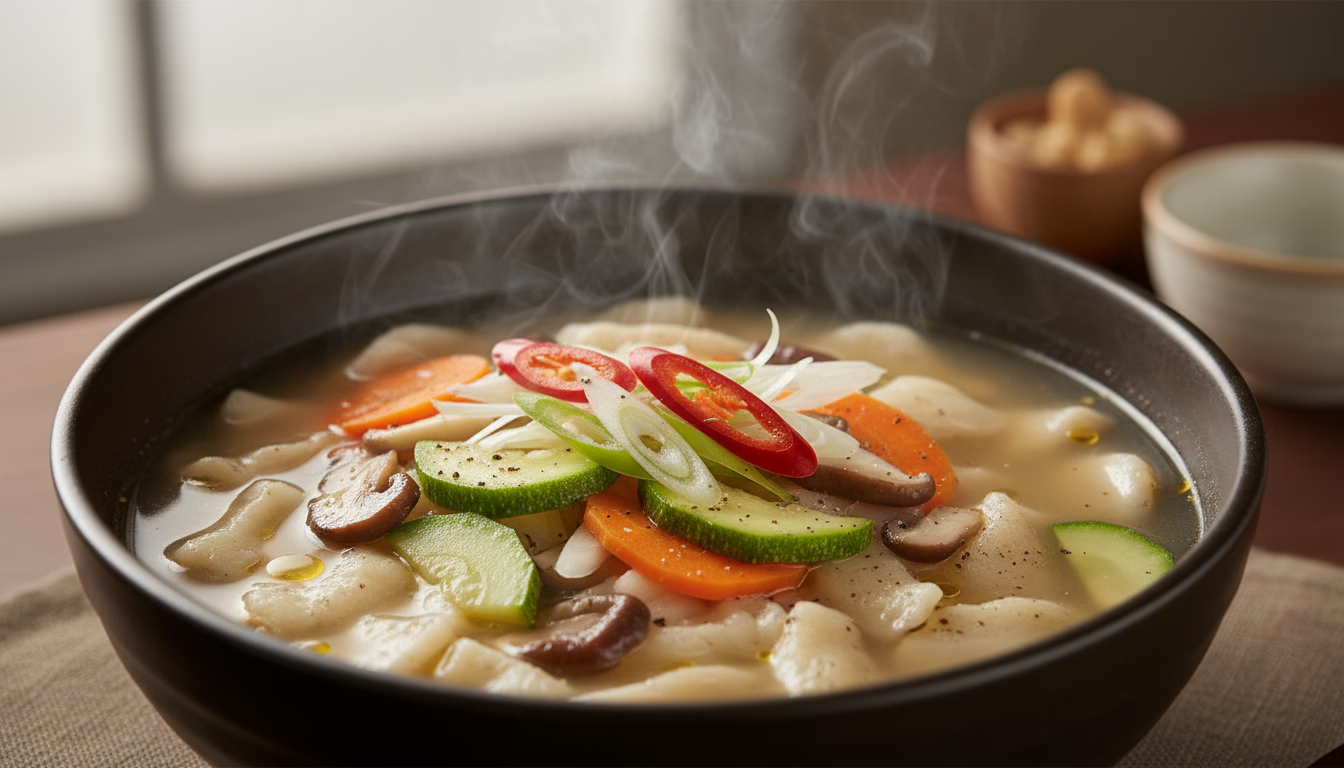
Sujebi (Korean Hand-torn Noodle Soup)
- Korean Food Addict
- Oct 22, 2025
Sujebi (Korean Hand-torn Noodle Soup)
Sujebi is a traditional Korean soup made by hand-tearing wheat flour dough into a clear broth. The name comes from "su" (手) meaning "hand" and "jebi" meaning "to tear," referring to the characteristic hand-tearing technique. Chewy sujebi, refreshing broth, and crisp vegetables create a simple yet satisfying meal.
History of Sujebi
Sujebi has been a Korean comfort food since times when wheat flour was precious, serving as a simpler alternative to kalguksu (knife-cut noodles). Since it could be made by hand-tearing without knives or tools, it was easily prepared even during wartime or hardship. Regional variations exist, from spicy versions to clear ones. Today, it's beloved as a classic home-cooked meal, especially warming on cold winter days.
Cooking Tips
The keys to delicious sujebi are dough consistency and resting time. Dough should be slightly more hydrated than kalguksu dough for easy hand-tearing while maintaining chewiness. Rest for at least 1 hour to develop gluten; resting for half a day or more makes it even better. When tearing, make pieces as thin as possible for quick cooking and chewy texture. Don't add too much soup soy sauce or it will darken the broth—season primarily with salt, using soy sauce just for color and umami. Use anchovy and kelp broth for clean, refreshing flavor.
Storage and Serving
Sujebi tastes best when served immediately. The dough absorbs broth over time and swells, so store leftover broth and sujebi separately if needed. Can refrigerate for 2-3 days; add water when reheating. Delicious both clear or spicy with kimchi. Add clams for seafood sujebi with extra refreshing flavor, or add perilla powder for nutty perilla sujebi.
Instructions:
- 1
- 2
- 3
- 4
- 5
- 6
- 7

Prepare the Dough
- Add 3 cups all-purpose flour to a large bowl
- Mix 1/2 tablespoon salt with 1 cup water to make brine
- Add brine 1 tablespoon at a time while kneading
- Continue kneading until dough comes together
- Prepare the Dough
- Add 3 cups all-purpose flour to a large bowl
- Mix 1/2 tablespoon salt with 1 cup water to make brine
- Add brine 1 tablespoon at a time while kneading
- Continue kneading until dough comes together
- Adjust Dough Consistency

- Make dough slightly softer than kalguksu dough
- Dough should give easily when pressed with finger
- Add 1 tablespoon olive oil and mix
- Knead until smooth
- Rest the Dough

- Place dough in a plastic bag
- Rest for at least 1 hour
- For chewier texture, rest for half a day or more
- Can make ahead and refrigerate overnight
- Make the Broth
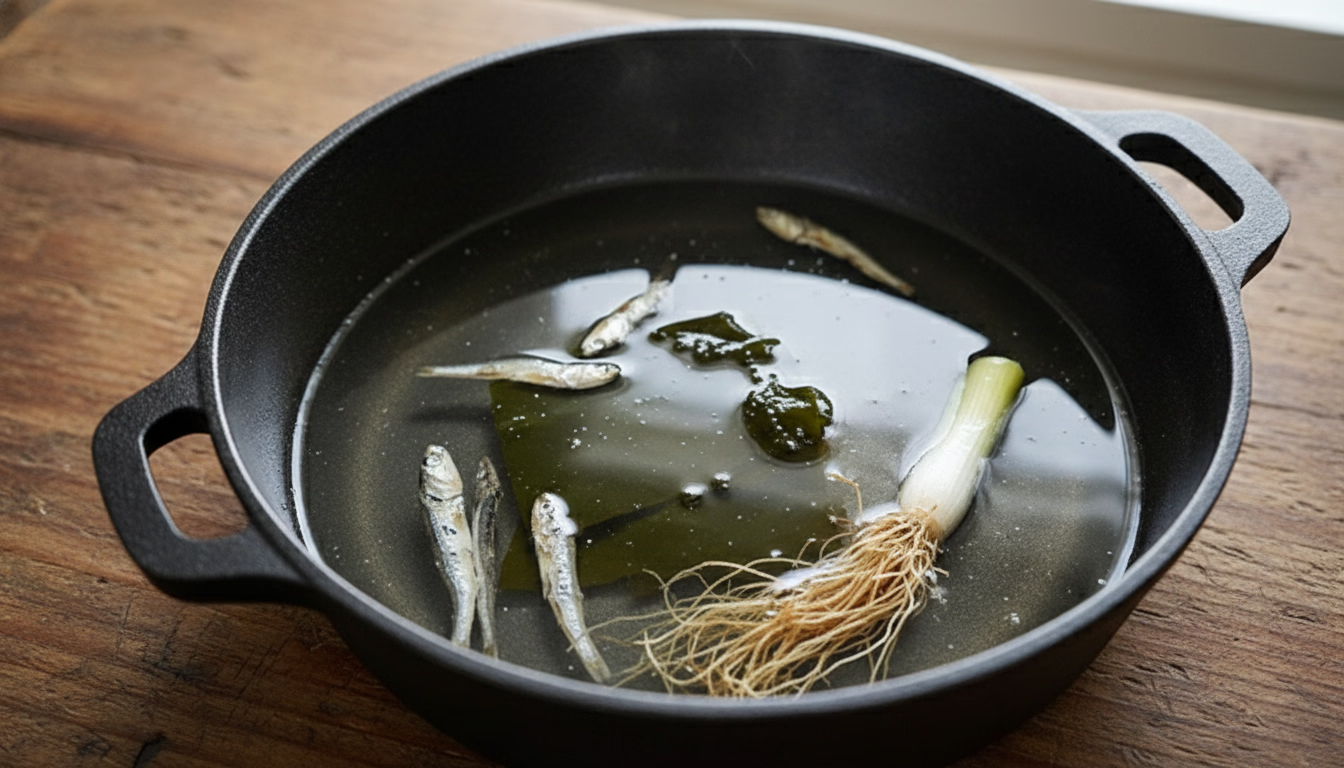
- Add 2 pieces kelp to cold water
- Add 1 green onion root
- Add 10 dried anchovies
- Remove kelp when water boils
- Simmer 10-15 more minutes, then strain out anchovies and onion root
- Prepare Vegetables

- Julienne 1/4 zucchini
- Julienne 1/6 carrot
- Julienne 1 onion
- Slice chili peppers
- Slice 1 green onion
- Thinly slice 1 king oyster mushroom
- Add Vegetables and Season

- Add carrots and zucchini to strained broth first
- Add 1/2 tablespoon mirin
- Add 1 tablespoon soup soy sauce
- Add 1/2 tablespoon salt
- Add 1/2 tablespoon minced garlic
- Add pepper and pre-season the broth
- Tear and Add Dough
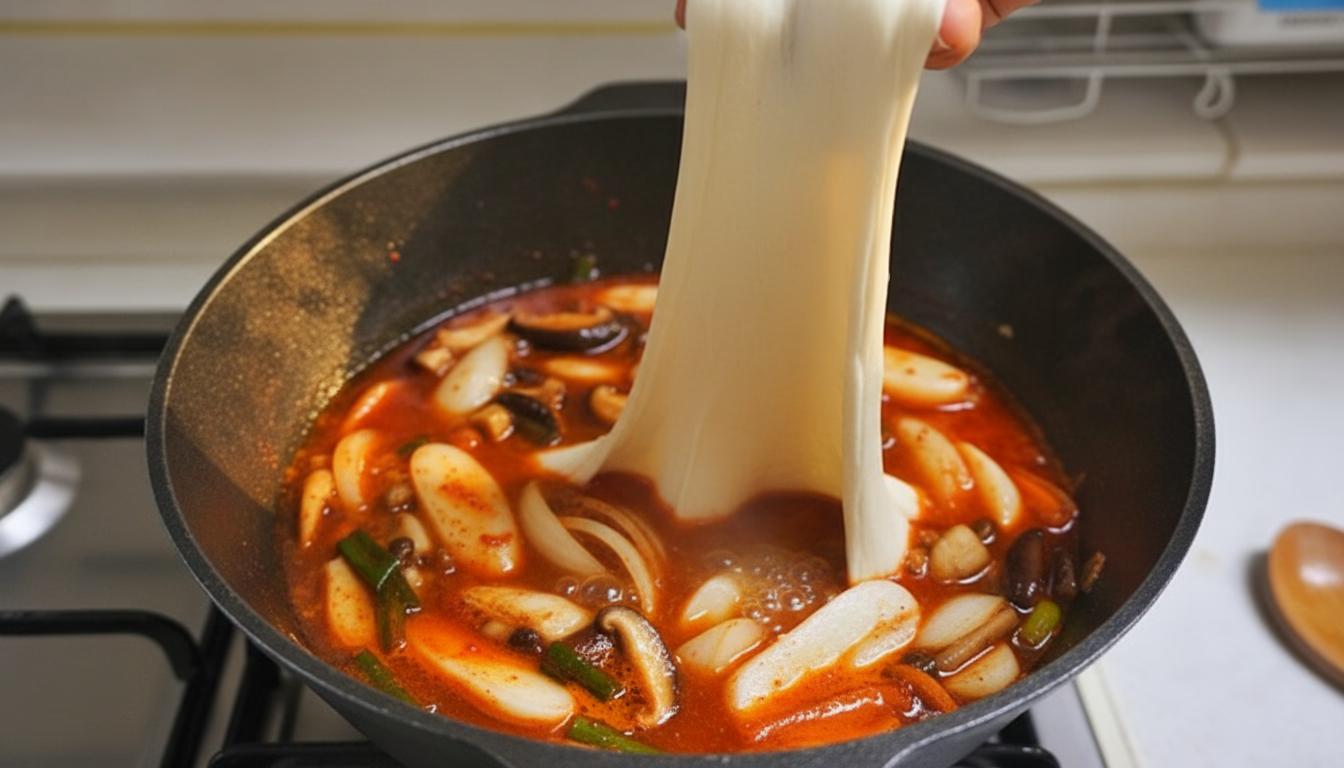
- Add onions and king oyster mushrooms to boil
- Tear dough thinly by hand
- Add torn pieces to boiling broth
- Continue until all dough is torn and added
- Finish the Soup
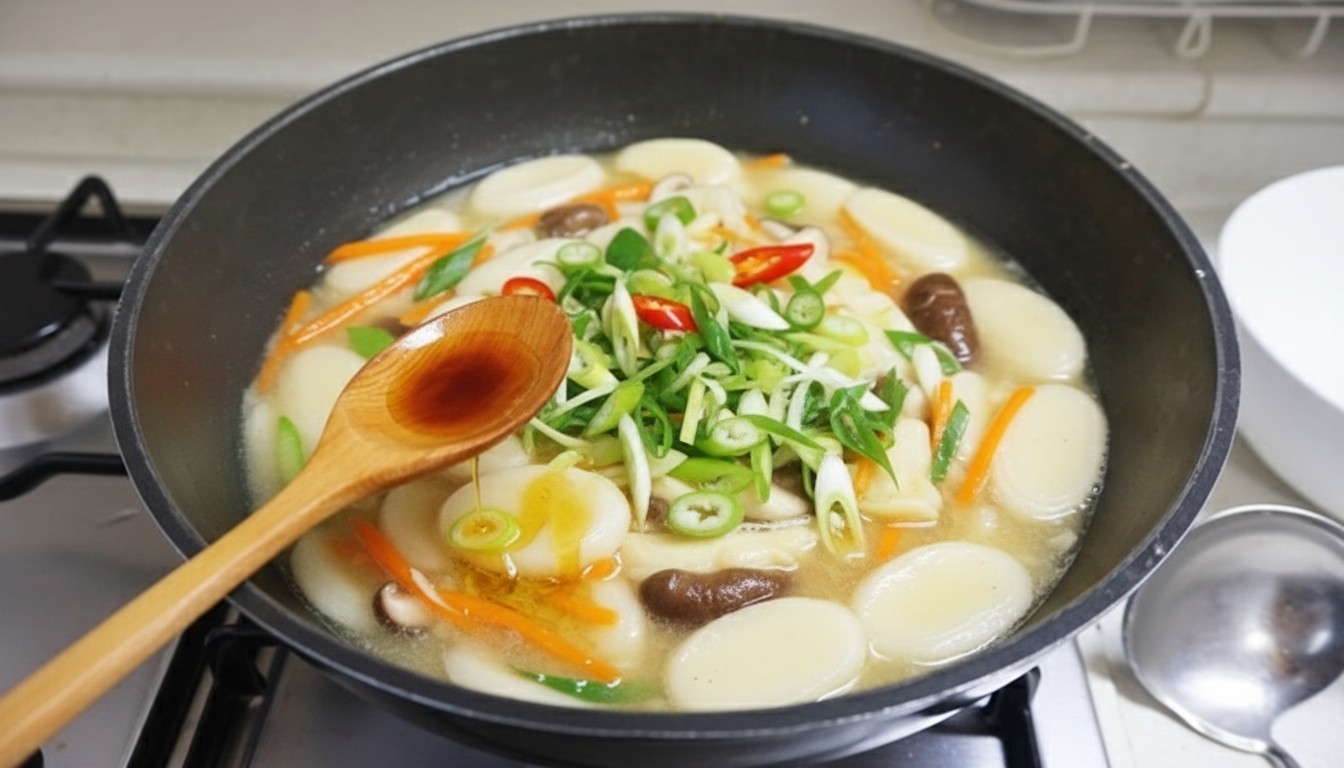
- Bring to a vigorous boil
- When dough pieces float, they're cooked
- Add green onions and chili peppers
- Drizzle 2 drops of sesame oil to finish
- Transfer to serving bowls
Recipe Notes:
- Dough becomes chewier and more delicious when rested for half a day or more.
- Can make dough the night before and refrigerate.
- Too much soy sauce darkens the broth—season primarily with salt.
- Proper dough consistency allows for thin, long tears.
- Add cheongyang chili peppers for spicier version.
- A bit of fish sauce enhances umami flavor.
- Tear sujebi as thinly as possible for chewy texture.
- Add vegetables according to preference.
- Best served immediately while hot.
Ingredients:
Serving size
Sujebi Dough
- 3 cups all-purpose flour
- 1/2 cup salt water
- 1 tablespoon olive oil
Vegetables
- 1/4 zucchini
- 1/6 carrot
- 1 onion
- 1 green onion
- 1 king oyster mushroom
Broth
- 2 pieces kelp
- 10 dried anchovies
- 1 green onion root
Seasonings
- 1/2 tablespoon minced garlic
- 1 tablespoon soup soy sauce
- 1/2 tablespoon salt
- 1/2 tablespoon mirin
- 2 drops sesame oil
- 1/4 tablespoon black pepper