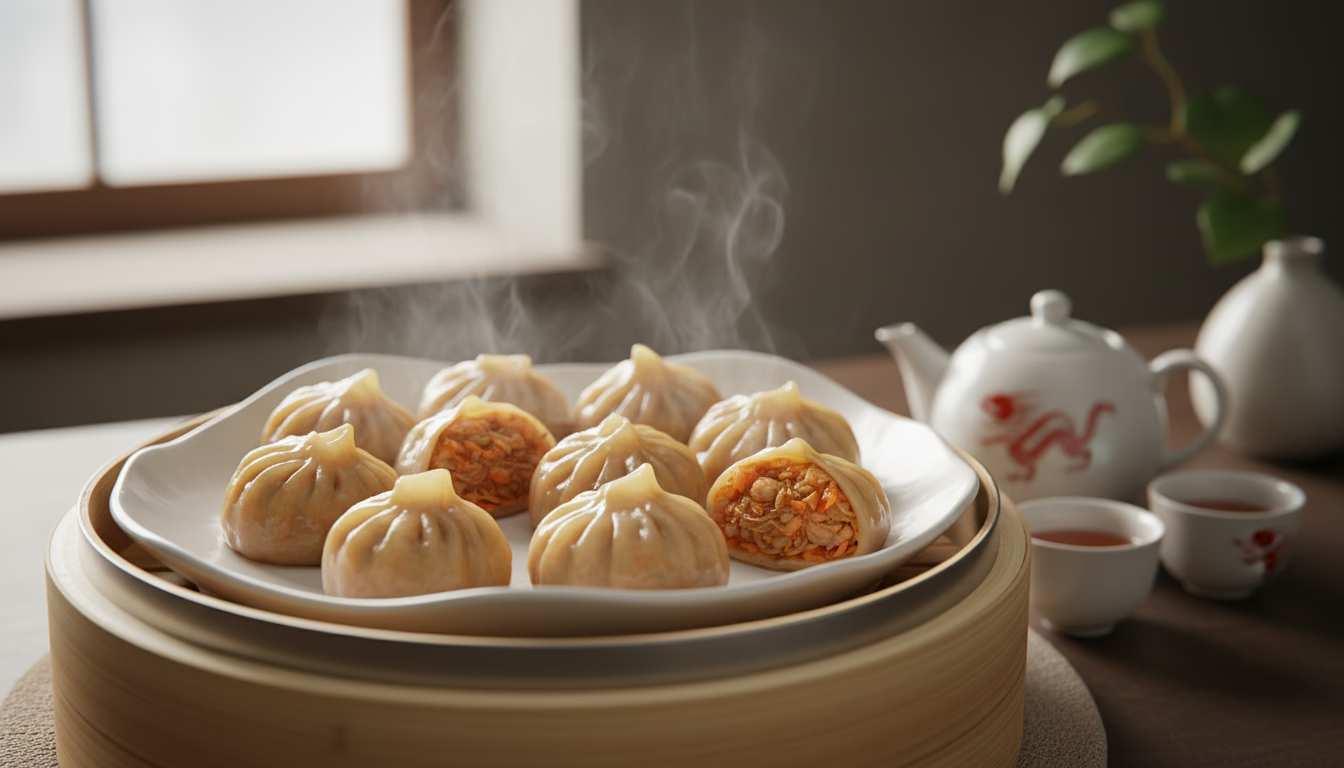
Kimchi Mandu (Kimchi Dumplings)
- Korean Food Addict
- Jul 26, 2025
About Kimchi Mandu
Kimchi mandu is one of Korea's most beloved dumpling varieties, featuring a savory filling of finely chopped kimchi and ground pork. The tangy, spicy flavors of kimchi blend beautifully with the rich umami of pork, creating a deeply satisfying taste. When steamed, the dumpling wrappers become tender and chewy, while the filling remains incredibly juicy.
Kimchi mandu holds a special place in Korean culture, traditionally made by families gathering together during holidays and special occasions. Homemade dumplings carry extra flavor and love, though nowadays they're also popular as convenient frozen meals that can be enjoyed anytime.
History and Origin
Dumplings were introduced to Korea from Mongolia during the Goryeo Dynasty and have since evolved into various unique Korean styles. Kimchi mandu represents a perfect fusion of Korea's distinctive kimchi culture with dumpling-making traditions, using well-fermented kimchi to create deep, complex flavors.
During winter, when kimjang (kimchi-making season) kimchi becomes fully fermented, families traditionally use it to make dumplings. The aged, fermented flavor of kimchi significantly enhances the dumpling's overall taste profile.
Ingredients
Main Ingredients
- Dumpling wrappers: 20 pieces
- Ground pork: 300g
- Minced kimchi: 300g
- Minced green onion: 2 stalks
- Boiled glass noodles: 100g
- Red chili powder: 3 tbsp
- Salt: pinch
Pork Seasoning
- Dark soy sauce: 1 tbsp
- Oyster sauce: 1 tbsp
- Minced garlic: 2 tbsp
- Minced ginger: pinch
- Cooking wine: pinch
- Black pepper: pinch
- Sesame oil: 2 tbsp
Cooking Instructions
Step 1: Season the Pork

Combine ground pork with dark soy sauce, oyster sauce, minced garlic, minced ginger, cooking wine, black pepper, and sesame oil. Mix thoroughly and let marinate for about 10 minutes to allow flavors to penetrate the meat.
Step 2: Prepare the Glass Noodles

Rinse boiled glass noodles in cold water, drain well, and cut into bite-sized pieces. If the noodles are too long, they'll make wrapping difficult, so cut them to an appropriate length.
Step 3: Drain the Kimchi

Place minced kimchi in cheesecloth or a fine mesh strainer and squeeze firmly to remove as much moisture as possible. Excess kimchi liquid will make the filling watery, so thorough draining is crucial.
Step 4: Make the Filling

Add drained kimchi, minced green onion, glass noodles, red chili powder, and salt to the seasoned pork. Mix thoroughly by hand, kneading until all ingredients are evenly distributed.
Step 5: Wrap the Dumplings

Place an appropriate amount of filling on each wrapper, fold in half, and create pleats along the edge while pressing firmly to seal. Ensure edges are tightly sealed to prevent filling from leaking.
Step 6: Steam

Line a steamer with cloth, arrange dumplings with space between them to prevent sticking, and steam over high heat for 15 minutes. Dumplings are done when wrappers become translucent and filling is fully cooked.
Cooking Tips
- Kimchi Selection: Well-fermented kimchi provides deeper flavor; if kimchi is too salty, rinse lightly before using.
- Moisture Removal: Thoroughly drain kimchi to prevent watery filling and maintain dumpling shape.
- Noodle Amount: Too many noodles can make dumplings dry, so use the recommended amount.
- Chili Powder: Adds not just heat but also color and enhances kimchi's flavor profile.
- Wrapping: Don't overfill dumplings or they may burst; seal edges firmly.
- Steaming Time: Adjust based on dumpling size; larger dumplings need 17-18 minutes.
Storage
Refrigeration
Store cooked kimchi mandu in an airtight container in the refrigerator for 2-3 days. Reheat by steaming or pan-frying before eating.
Freezing
After wrapping, freeze dumplings on a tray without overlapping. Once fully frozen, transfer to freezer bags for 1-2 months storage. Cook frozen dumplings directly without thawing.
Recipe Notes
Kimchi Fermentation: Well-fermented kimchi provides complex, deep flavors; fresh kimchi is too crunchy and not suitable.
Meat Options: Replace pork with beef or chicken, or add tofu for a vegetarian version.
Vegetable Additions: Adding chives, onions, or carrots enhances nutrition and texture.
Wrapper Choice: Use store-bought or homemade wrappers; thin wrappers are more delicate, thick ones more chewy.
Seasoning Adjustment: Adjust salt and soy sauce based on kimchi's saltiness; start with less and taste as you go.
Steaming Methods: Without a steamer, use a microwave steamer or a covered pan with plenty of water.
Crispy Texture: Pan-fry steamed dumplings in oil for crispy gun-mandu with excellent texture.
Dipping Sauce: Mix soy sauce, vinegar, and chili powder for a perfect dipping sauce.
Batch Cooking: Make large batches for freezing; it's fun and practical when the whole family helps.
Noodle Substitute: Replace glass noodles with mashed tofu or bean sprouts for different texture.
Instructions:
- 1
- 2
- 3
- 4
- 5
Season the Pork
- Mix ground pork with all seasoning ingredients (dark soy sauce, oyster sauce, minced garlic, minced ginger, cooking wine, black pepper, sesame oil)
- Marinate the meat
- Season the Pork
- Mix ground pork with all seasoning ingredients (dark soy sauce, oyster sauce, minced garlic, minced ginger, cooking wine, black pepper, sesame oil)
- Marinate the meat
- Prepare the Glass Noodles
- Soak glass noodles until softened
- Cut into bite-sized pieces for easier eating
- Drain the Kimchi
- Squeeze excess moisture from minced kimchi with your hands to prevent watery filling
- Make the Filling
- Combine seasoned pork, drained kimchi, minced green onion, glass noodles, red chili powder, and salt
- Mix thoroughly to create the dumpling filling
- Wrap the Dumplings
- Place a spoonful of filling in the center of each dumpling wrapper
- Fold into desired shape with pleated edges
- Steam
- Boil water in a steamer
- Arrange dumplings without touching
- Steam for 15 minutes until fully cooked and wrappers become translucent
Recipe Notes:
- Well-fermented kimchi provides deeper flavor; if kimchi is too salty, rinse lightly before using.
- Thoroughly drain kimchi to prevent watery filling and maintain dumpling shape.
- Too many noodles can make dumplings dry, so use the recommended amount.
- Chili powder adds not just heat but also color and enhances kimchi's flavor profile.
- Don't overfill dumplings or they may burst; seal edges firmly.
- Adjust based on dumpling size; larger dumplings need 17-18 minutes.
- Store cooked kimchi mandu in an airtight container in the refrigerator for 2-3 days.
- Freeze dumplings on a tray without overlapping. Once fully frozen, transfer to freezer bags for 1-2 months storage.
- Mix soy sauce, vinegar, and chili powder for a perfect dipping sauce.
- Pan-fry steamed dumplings in oil for crispy gun-mandu with excellent texture.
Ingredients:
Serving size
Main Ingredients
- 20 dumpling wrappers
- 300g ground pork
- 300g minced kimchi
- 2 stalks minced green onion
- 100g boiled glass noodles
- 3 tbsp red chili powder
- pinch salt
Pork Seasoning
- 1 tbsp dark soy sauce
- 1 tbsp oyster sauce
- 2 tbsp minced garlic
- pinch minced ginger
- pinch cooking wine
- pinch black pepper
- 2 tbsp sesame oil