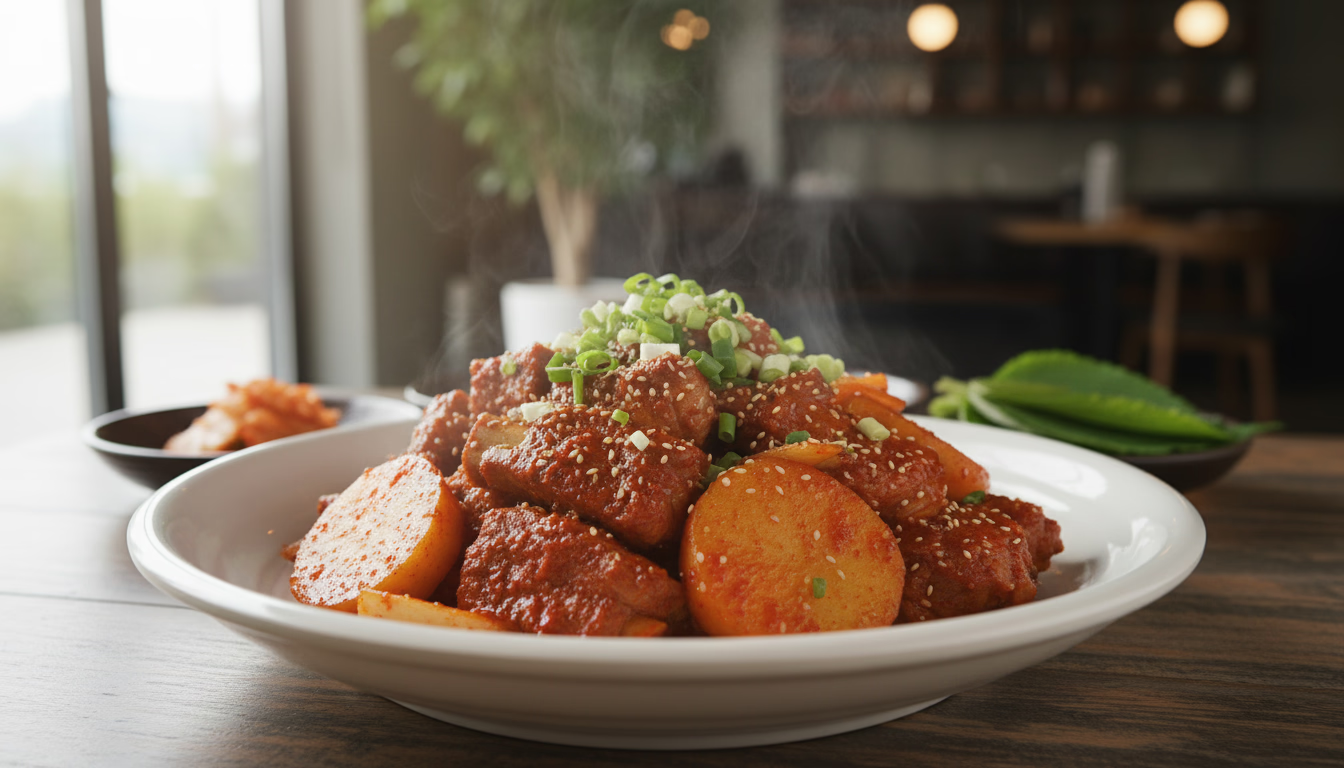
Spicy Braised Pork Ribs
- Korean Food Addict
- Sep 26, 2025
Introduction to Spicy Braised Pork Ribs
Spicy braised pork ribs is a classic Korean braised dish made by slowly simmering pork ribs in a spicy sauce made from gochujang and gochugaru. More affordable than beef short ribs yet tender and delicious, it's a popular home-cooked favorite. The sweet and spicy sauce penetrates deep into the meat, while potatoes and vegetables absorb the flavorful sauce, making this an irresistible comfort food that pairs perfectly with rice.
History and Origin
Galbi-jjim (braised ribs) originated as a royal court dish, traditionally made with beef short ribs braised in soy sauce. In modern times, the version using pork ribs with gochujang and gochugaru became immensely popular among everyday people. More economical than beef ribs yet offering tender texture and rich flavors, it established itself as a home-style dish. It evolved to perfectly suit the Korean palate's love for spicy foods.
Cooking Tips
Three key elements make delicious braised pork ribs. First, thorough blood removal. Pork must have all blood completely removed to eliminate gamey odors and achieve a clean taste. Soak in cold water for at least 30 minutes, preferably 1 hour, changing the water 2-3 times. Second, the blanching process. Blanching once removes impurities and excess fat, allowing the sauce to penetrate better and creating a cleaner flavor. Adding ginger during this step is excellent for odor removal.
Third, balanced seasoning. You need harmony between the spiciness from gochujang and gochugaru, sweetness from sugar and corn syrup, and saltiness from soy sauce. Adding rice wine or mirin makes the meat considerably more tender and adds depth of flavor. Grating pear or apple into the sauce provides natural sweetness along with enzymatic tenderizing action.
Vegetables should be added in order based on cooking time. Potatoes take longer so add them midway, while green onions and onions cook quickly so add them at the end to preserve their texture.
Adjusting Spice Level
This recipe uses 4 tablespoons of gochujang and 4 tablespoons of gochugaru for a medium to moderately spicy level. If you don't handle spice well, reduce gochugaru to 2 tablespoons and gochujang to about 3 tablespoons for a milder flavor. Conversely, if you love very spicy food, add more cheongyang peppers or increase gochugaru to 5-6 tablespoons.
Adding jujubes provides extra sweetness that softens the spicy flavor, making this dish recommended for those new to spicy Korean food.
Storage and Usage
Spicy braised pork ribs should be consumed within 2-3 days when refrigerated. Store in an airtight container, and when reheating, add 2-3 tablespoons of water and warm slowly over low heat for a freshly-made taste.
Leftover ribs can be stir-fried with rice and seaweed for excellent fried rice. If you have excess sauce, cook udon noodles in it for a delicious meal. You can also shred the meat and wrap it in lettuce or perilla leaves for a ssam-style dish.
Freezing is possible, but potatoes may lose texture when thawed. If planning to freeze, cook without potatoes or remove them before freezing.
Instructions:
- 1
- 2
- 3
- 4
- 5
- 6
- 7
- 8
- 9
- 10

Prepare ingredients
- Prepare all ingredients: 1kg pork ribs, potatoes, onion, green onions, cheongyang peppers
- Optional additions of carrots, jujubes, and ginger will enhance the flavor
- Prepare ingredients
- Prepare all ingredients: 1kg pork ribs, potatoes, onion, green onions, cheongyang peppers
- Optional additions of carrots, jujubes, and ginger will enhance the flavor
- Remove blood from ribs

- Soak pork ribs in cold water for 30 minutes to 1 hour to remove blood
- Change the water 2-3 times for a cleaner taste
- Adequate soaking eliminates any gamey odor
- Cut vegetables

- Cut green onions into 5cm lengths
- Cut onion into 6 large wedges
- Diagonally slice cheongyang peppers
- Quarter large potatoes into 4 pieces each
- Make spicy sauce
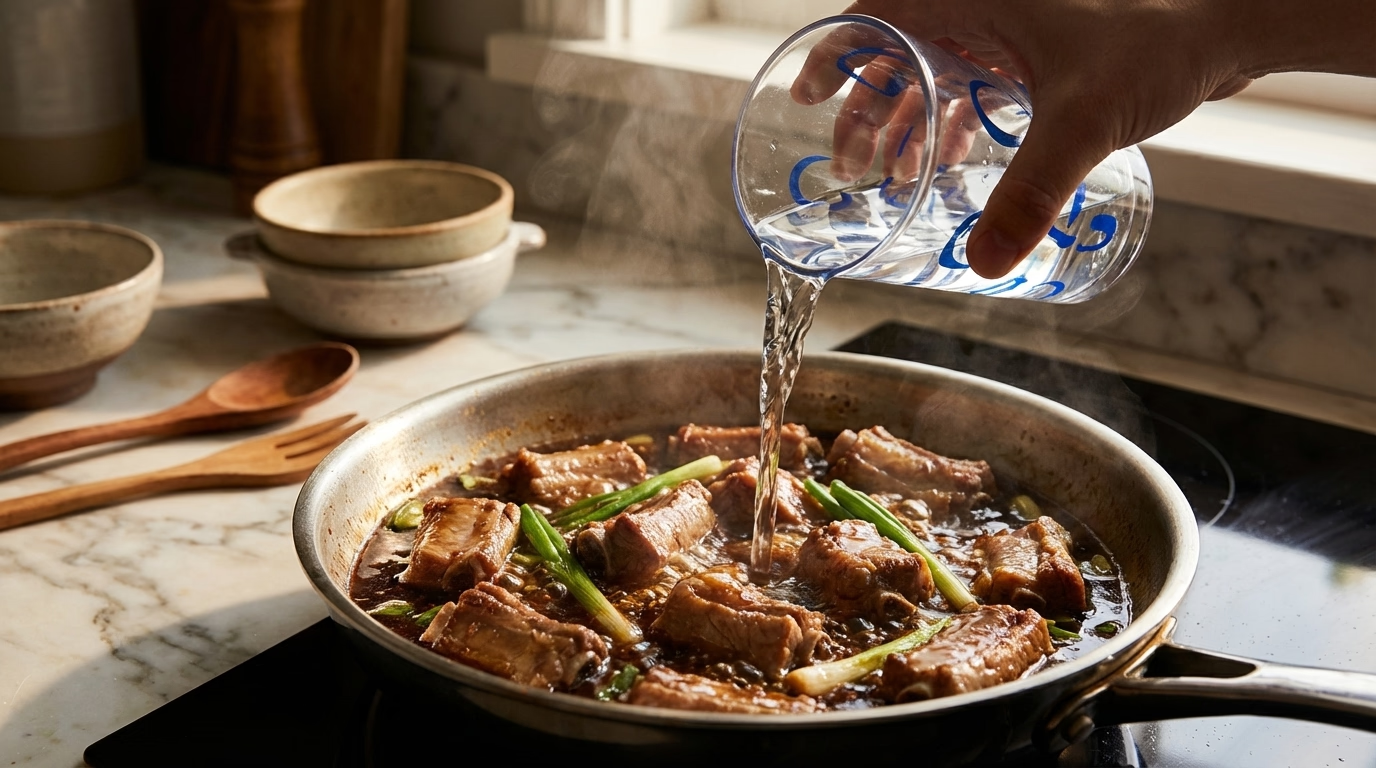
- Add 4 tablespoons gochujang and 4 tablespoons gochugaru
- Add 7 tablespoons soy sauce and 2 tablespoons minced garlic
- Add 2 tablespoons sugar and 1 tablespoon corn syrup for sweetness
- Add 2 tablespoons sesame oil and 1/2 tablespoon black pepper, mix well
- Adding 2 tablespoons of rice wine or mirin will make the meat more tender
- Blanch ribs
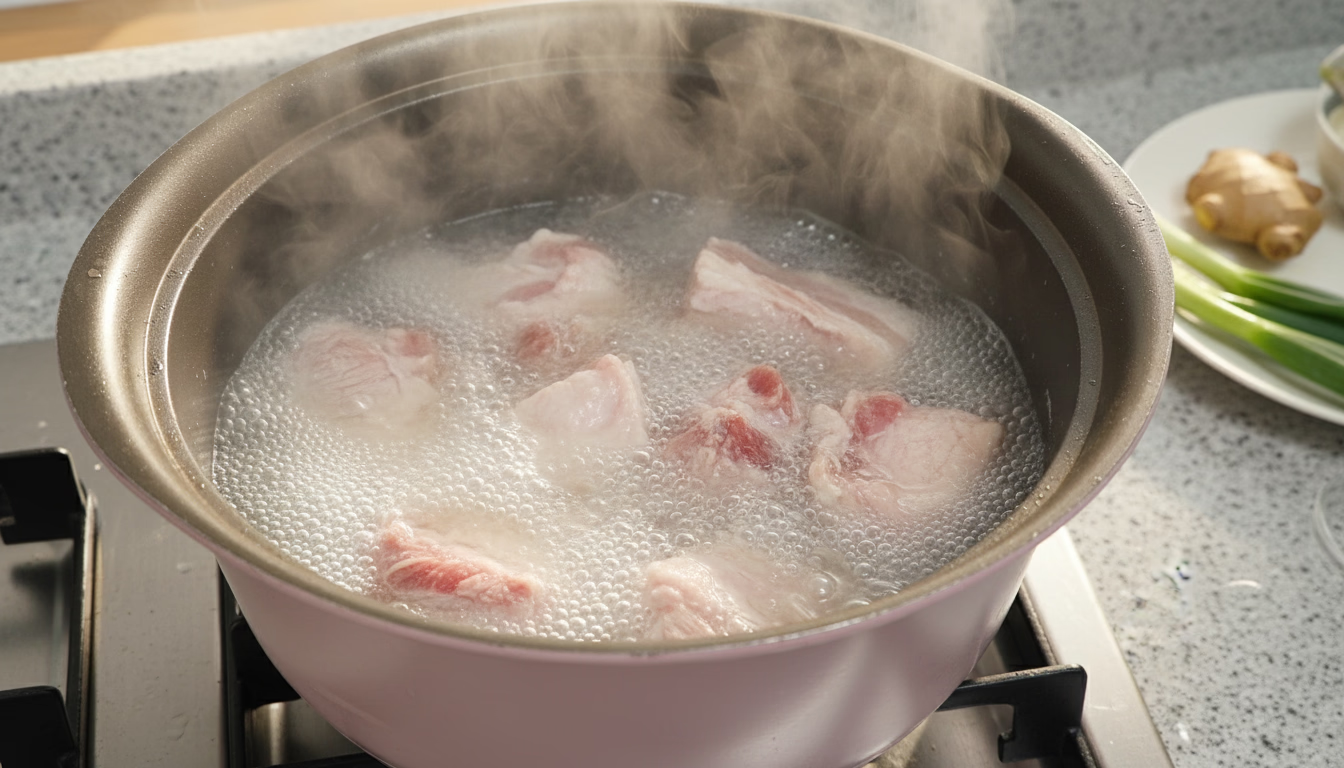
- Add drained ribs to boiling water
- Blanch for 5-7 minutes to remove impurities
- Continuously skim off foam as it forms
- Adding a piece of ginger helps eliminate gamey odor
- Rinse ribs

- Rinse blanched ribs in cold water
- Wash thoroughly to remove all impurities
- Drain excess water
- Add ingredients and simmer
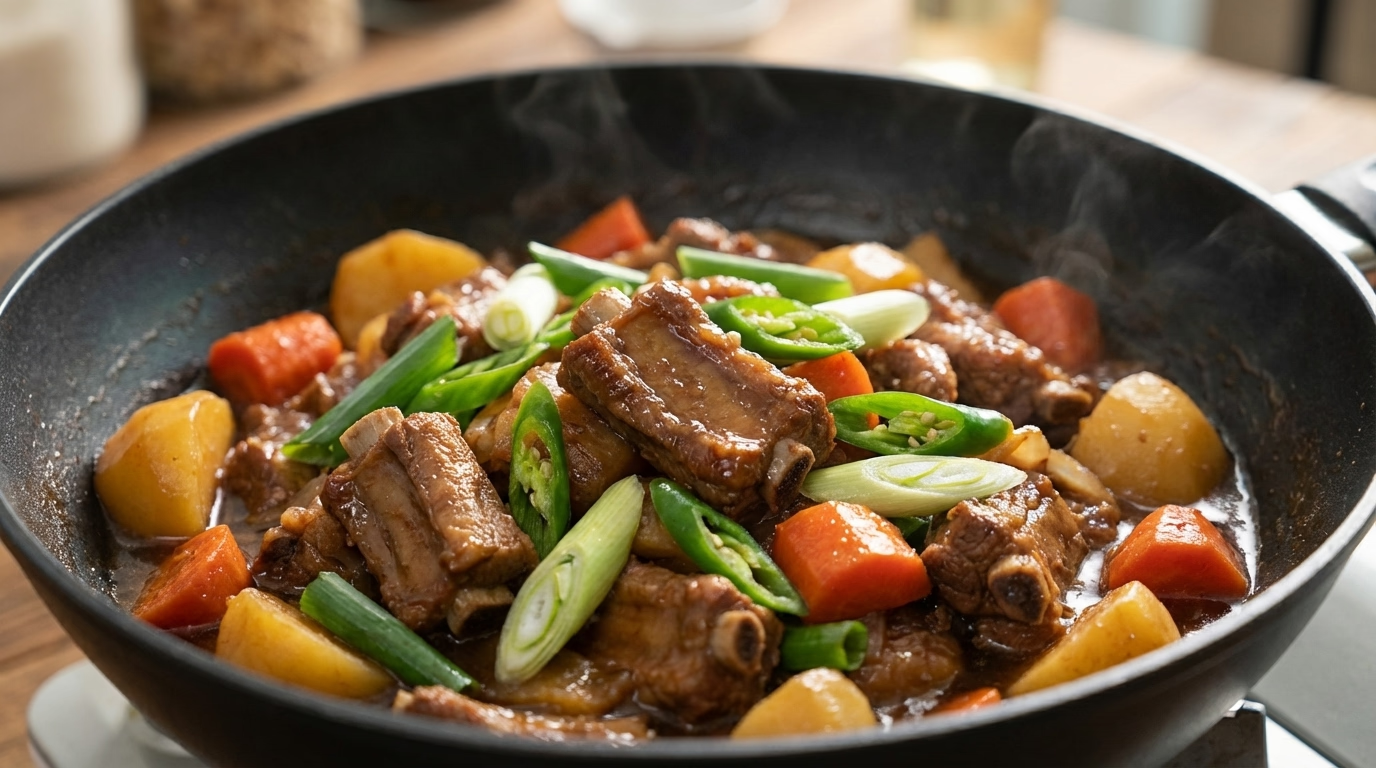
- Mix ribs with sauce in pot and coat well
- Add cheongyang peppers
- Pour enough water to cover the ribs generously
- Adding 5-6 jujubes provides subtle sweetness and nutrition
- Boil on high heat
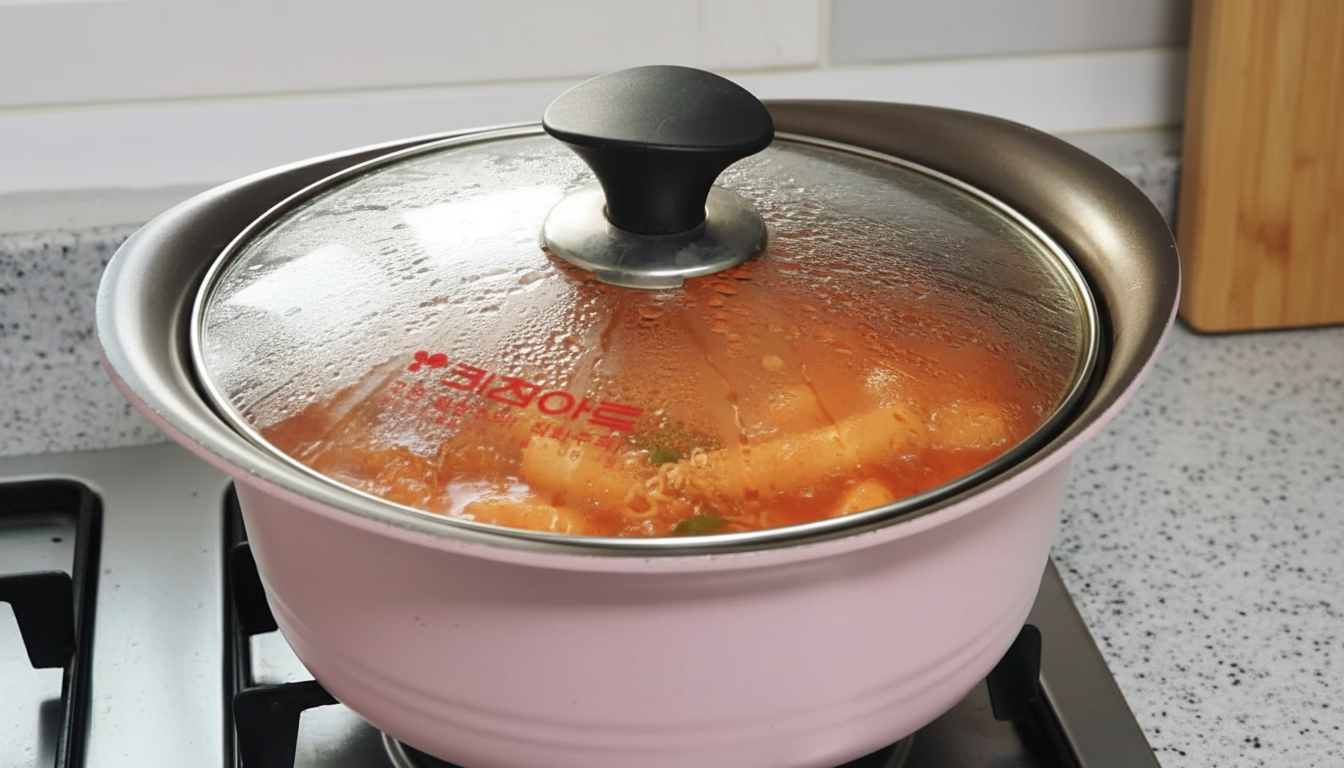
- Heat on high heat until boiling
- Reduce to medium heat once boiling
- Cover and simmer gently for 20-30 minutes
- Turn the meat once or twice for even cooking
- Add potatoes

- Open lid and add potatoes
- Continue simmering for 10-15 minutes until potatoes are tender
- Adding carrots makes the dish more colorful
- Taste and adjust seasoning with soy sauce or salt if needed
- Add finishing vegetables
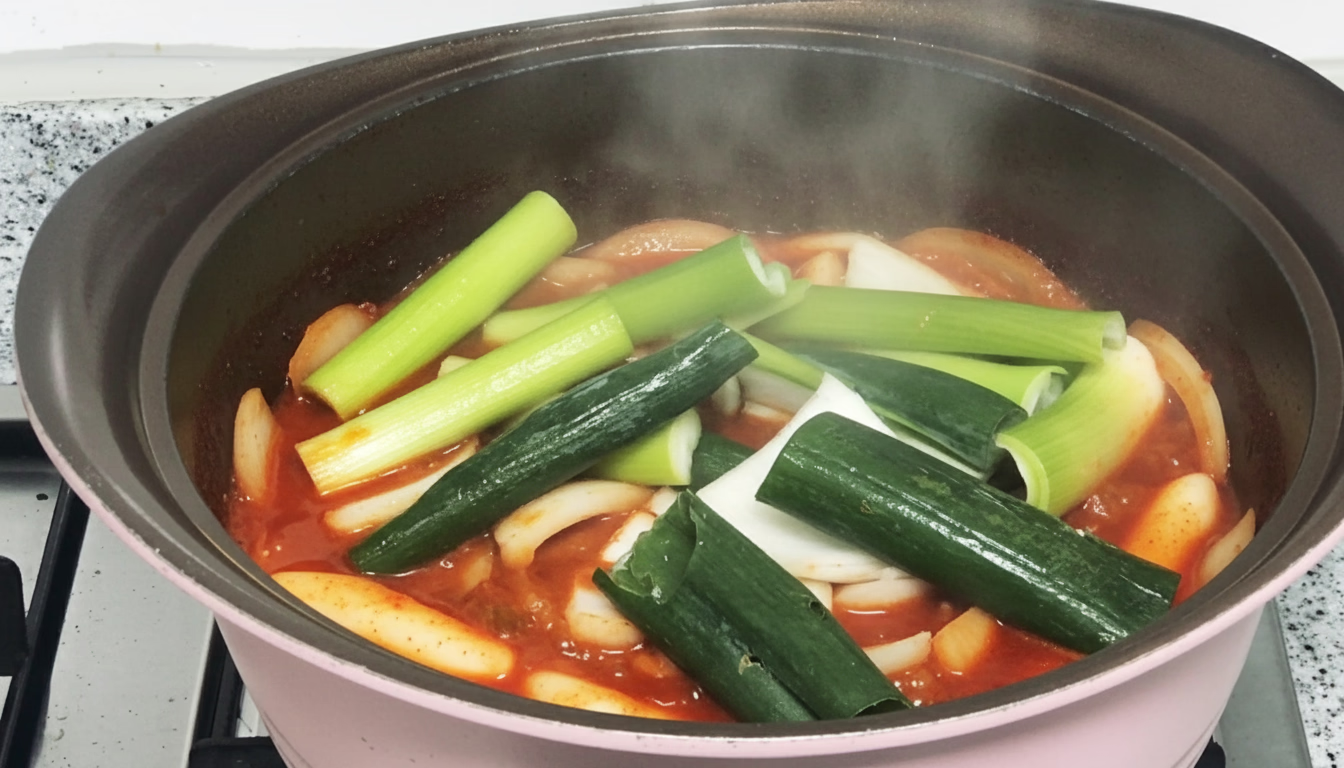
- Add green onions and onions
- Continue simmering for 5-10 minutes until vegetables are cooked
- Add onions at the end as they break down if cooked too long
- Complete
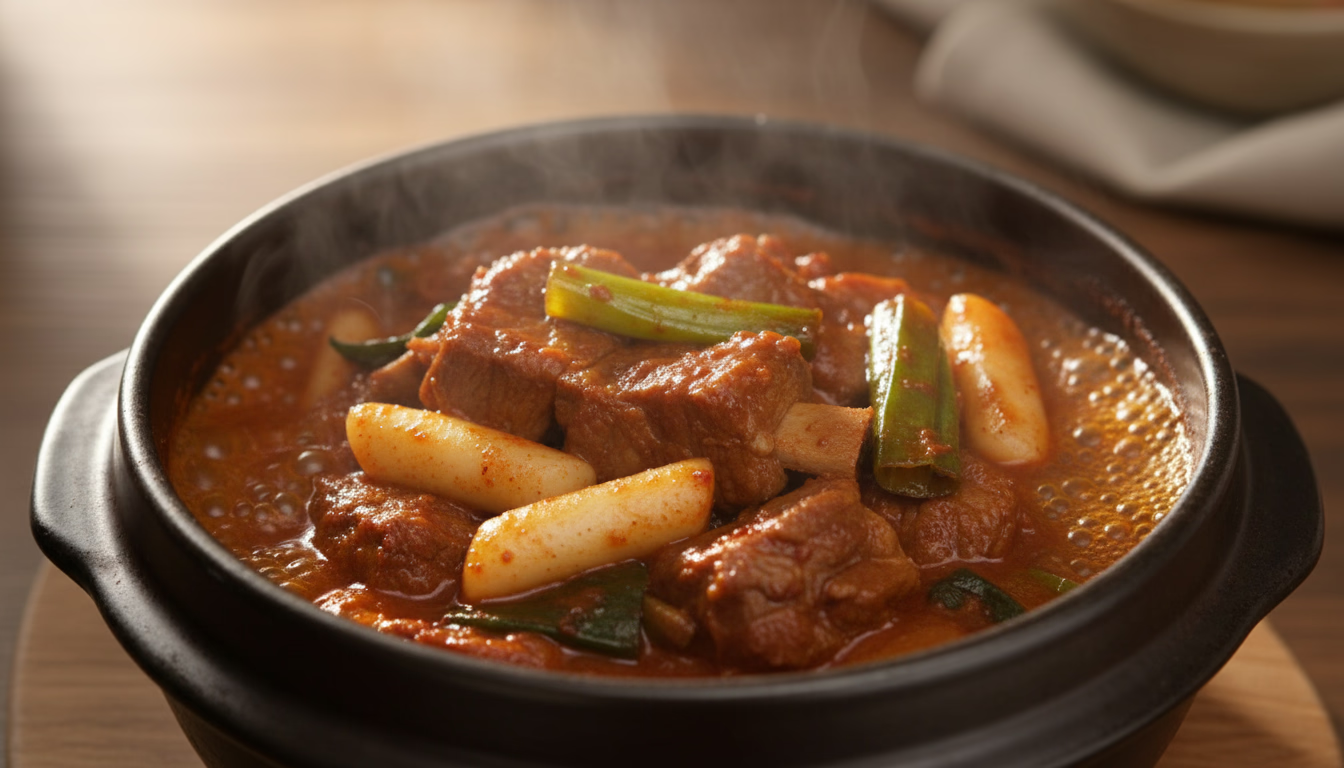
- Simmer until sauce reduces to desired consistency
- When meat is tender and well-seasoned, it's ready
- Finish with a sprinkle of sesame seeds
- Let it rest for about 5 minutes for deeper flavor
Recipe Notes:
- Soak pork ribs sufficiently to remove blood for no gamey odor. Soak for at least 30 minutes, preferably 1 hour.
- Adding ginger during blanching greatly helps eliminate gamey odor.
- Adding rice wine or mirin to the sauce makes the meat more tender and removes any unpleasant odors.
- Grating pear or apple into the sauce provides natural sweetness and tenderizing enzymes.
- If the spice is too much, reduce gochugaru and gochujang by half.
- Use large potatoes and cut into large pieces to prevent them from breaking apart easily.
- Adding jujubes provides subtle sweetness and softens the spicy flavor of the sauce.
- Turn the meat during cooking to ensure even seasoning and cooking.
- If sauce reduces too much, add a little water; if too watery, simmer uncovered to reduce.
- Letting it rest for 5-10 minutes after cooking allows the sauce to penetrate deeper for better flavor.
- Store leftover braised ribs refrigerated and consume within 2-3 days. Reheat with a little water added.
- This recipe is moderately spicy. If you don't handle spice well, reduce gochugaru to 2 tablespoons.
Ingredients:
Serving size
Main Ingredients
- 1kg Pork ribs
- 2 Large potatoes
- 1 Onion
- 1 stalk Green onion
- 3-4 Cheongyang peppers
- 1 Carrot (optional)
- 5-6 Jujubes (optional)
- 1 piece Ginger (optional)
Sauce Ingredients
- 4 tbsp Gochujang
- 4 tbsp Gochugaru (Korean red pepper flakes)
- 7 tbsp Soy sauce
- 2 tbsp Minced garlic
- 2 tbsp Sugar
- 1 tbsp Corn syrup
- 2 tbsp Sesame oil
- 1/2 tbsp Black pepper
- 2 tbsp Rice wine or mirin (optional)