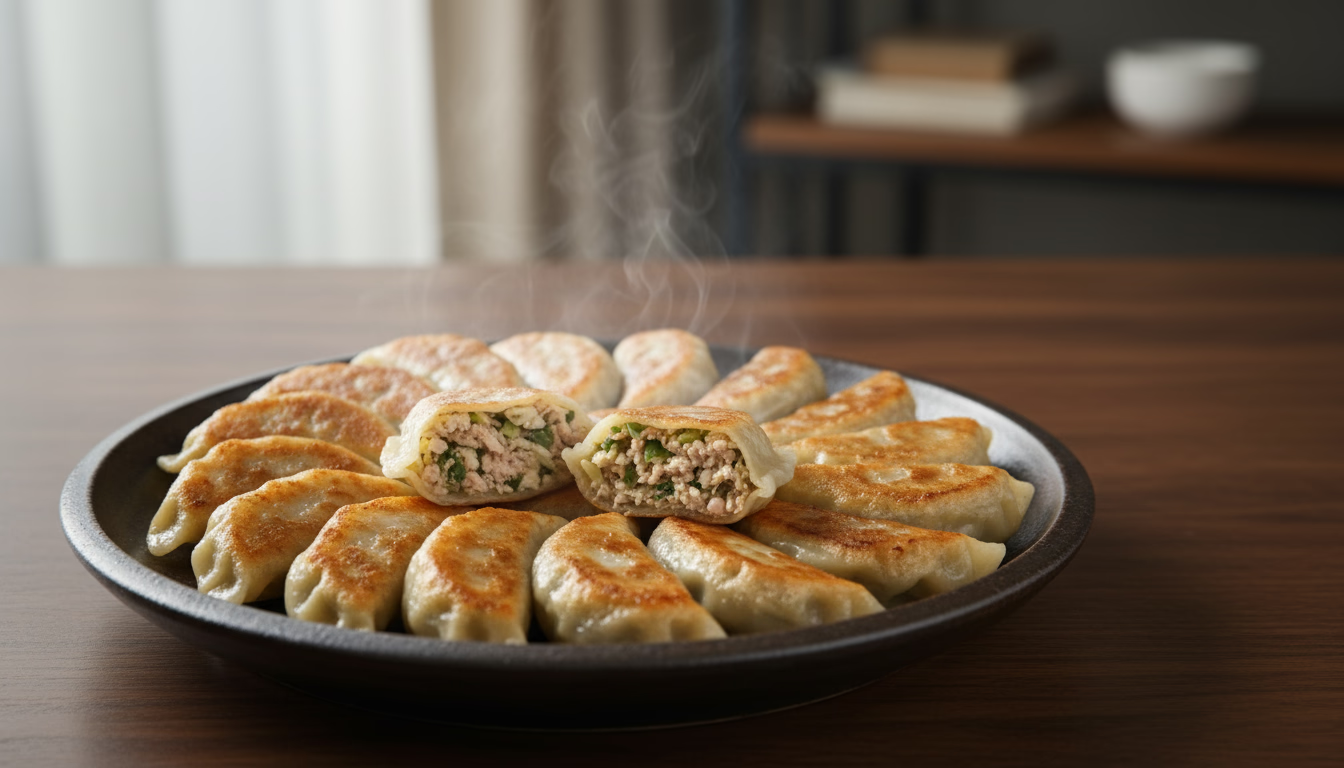
Korean Dumplings (Mandu)
- Korean Food Addict
- Aug 24, 2025
Korean Dumplings (Mandu)
Mandu is a traditional Korean dish consisting of thin wheat flour wrappers filled with meat and vegetables. These dumplings, filled with pork, tofu, glass noodles, and various vegetables, are a beloved Korean soul food enjoyed during holidays, special occasions, and everyday meals. They can be prepared in various ways - steamed, pan-fried, deep-fried, or in soup - making them a family favorite.
History of Mandu
Mandu is believed to have been introduced to Korea during the Goryeo Dynasty through Mongolian influence. Initially a food of the royal court and aristocracy, it gradually spread to common people and became established as holiday food and special occasion fare. The ingredients and wrapping methods vary by region and family, each with its own characteristics. Especially during Lunar New Year, tteok-mandu-guk (rice cake dumpling soup) has become a tradition, and in winter, kimchi mandu made with kimjang kimchi is particularly popular. In modern times, with advances in freezing technology, making large batches for frozen storage has become commonplace.
Cooking Tips
The key to making delicious mandu is controlling moisture in the filling. Tofu must be thoroughly squeezed to maintain a firm, bouncy texture in the filling. Glass noodles should also be completely drained and finely chopped after boiling. Season the filling slightly stronger than usual, as it balances perfectly with the wrapper when eaten together. Don't grind the pork too finely - leaving some texture improves the mouthfeel. When wrapping, press firmly to remove air and prevent bursting during cooking. The more pleats you make, the more attractive the dumpling and the better the chewy texture when cooked.
Storage and Uses
Making large batches of mandu for frozen storage allows convenient meals anytime. For freezer storage, first freeze dumplings spaced apart on a tray, then once completely frozen, transfer to ziplock bags. This method keeps them fresh for about 3 months. Frozen mandu should be cooked directly without thawing and can be prepared by steaming, pan-frying, deep-frying, or boiling. Steamed mandu are moist and soft, while pan-fried mandu are crispy and savory. Boiled mandu in soup are refreshing, and adding them to tteok-mandu-guk makes a hearty meal. They're even more delicious served with soy-vinegar dipping sauce or seasoned soy sauce.
Instructions:
- 1
- 2
- 3

Prepare Vegetables and Glass Noodles
- Finely mince 2 medium onions
- Finely mince 11 garlic cloves
- Finely mince 6-8 Korean chives
- Boil 150g sweet potato glass noodles and finely chop
- Squeeze excess moisture from 800g tofu
- Prepare Vegetables and Glass Noodles
- Finely mince 2 medium onions
- Finely mince 11 garlic cloves
- Finely mince 6-8 Korean chives
- Boil 150g sweet potato glass noodles and finely chop
- Squeeze excess moisture from 800g tofu
- Grind the Meat

- Cut 1800g pork shoulder into small pieces
- Place in a blender or food processor
- Blend until soft and finely ground
- Make the Dumpling Filling

- Beat 5 eggs in a large bowl
- Add minced vegetables, glass noodles, and squeezed tofu
- Add ground pork
- Add 3 tablespoons coarse salt
- Add 3 tablespoons sugar
- Add 120-160ml soy sauce
- Add 4 tablespoons black pepper
- Mix all ingredients thoroughly until well combined
- Wrap Dumplings and Store

- Prepare store-bought dumpling wrappers
- Place filling in the center of each wrapper
- Pleat the edges beautifully while sealing
- Divide finished dumplings into portions for freezer storage
- Cook dumplings immediately by steaming, pan-frying, or deep-frying
Recipe Notes:
- Squeeze tofu thoroughly to prevent the filling from becoming watery.
- Drain and finely chop boiled glass noodles.
- Season the filling slightly stronger than usual as it balances with the wrapper.
- Don't grind the pork too finely or it will lose texture.
- Press firmly when wrapping to remove air and prevent bursting during cooking.
- When freezing, space dumplings apart to prevent sticking.
- Once completely frozen, transfer to ziplock bags for long-term storage.
- Can be cooked by steaming, pan-frying, deep-frying, or boiling.
- Making large batches for freezer storage allows convenient meals anytime.
Ingredients:
Serving size
Dumpling Filling
- 1800 g pork shoulder
- 800 g tofu
- 150 g sweet potato glass noodles
- 2 medium onions
- 11 cloves garlic
- 6-8 Korean chives
- 5 eggs
Seasonings
- 3 tbsp coarse salt
- 3 tbsp sugar
- 4 tbsp black pepper
- 120-160 ml soy sauce
Other
- as needed store-bought dumpling wrappers