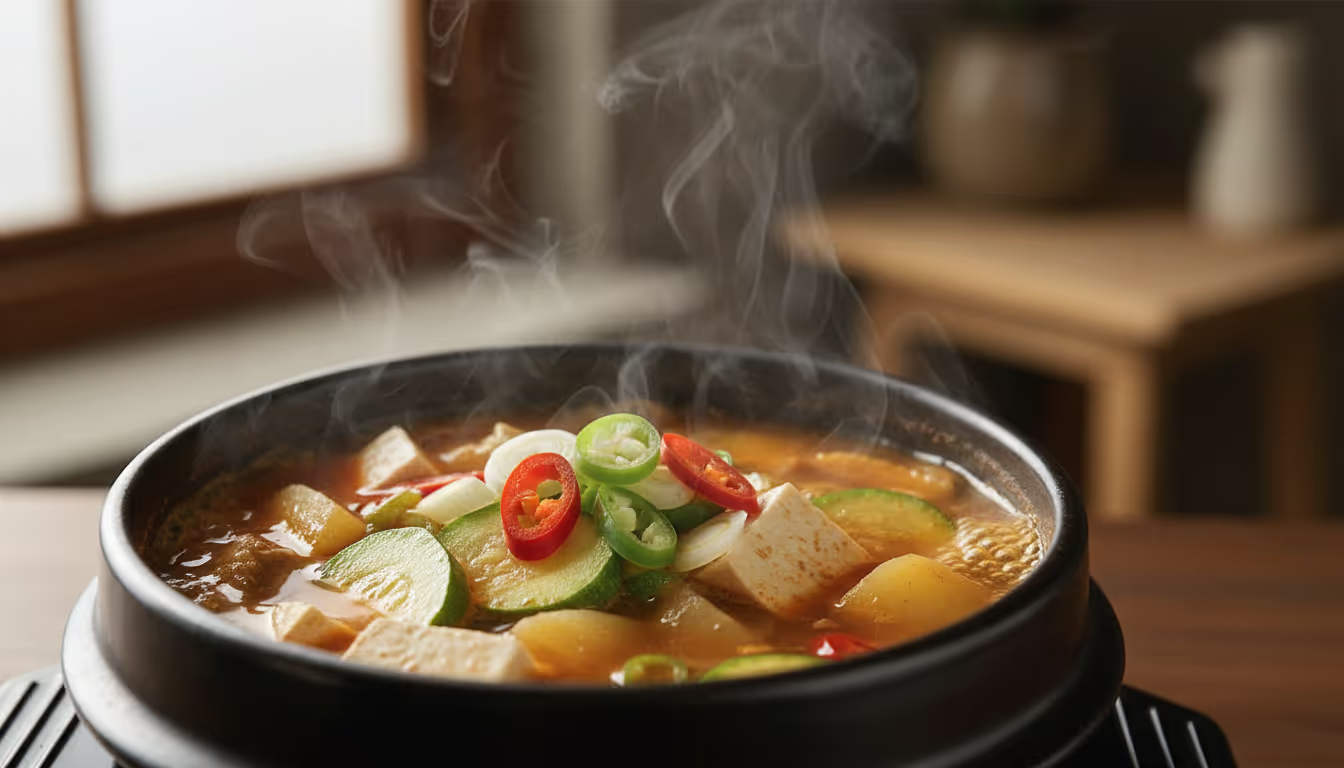
Doenjang Jjigae
- Korean Food Addict
- Jun 2, 2025
Doenjang Jjigae
Doenjang jjigae is Korea's most representative stew, a soup dish where savory doenjang (fermented soybean paste), fresh vegetables, and tofu come together harmoniously. This bubbling stew served in an earthenware pot becomes a hearty meal when eaten with rice, and is a soul food loved by all Koreans. With simple ingredients, it can be prepared in just 30 minutes, making it perfect for everyday cooking.
History of Doenjang Jjigae
Doenjang jjigae is a traditional Korean dish believed to have been consumed since the Three Kingdoms period. Doenjang, a traditional fermented condiment made from soybeans, has been an important source of nutrition since ancient times due to its rich protein and amino acid content. Each household's homemade doenjang has a different flavor, resulting in countless variations of doenjang jjigae taste, making it one of the dishes that represents "mother's touch." While the ingredients and methods vary slightly by region and household, the basic principle of dissolving doenjang in broth remains the same.
Cooking Tips
The key to making delicious doenjang jjigae is the timing of adding the doenjang. This recipe introduces the "golden recipe" of adding doenjang at the end, which eliminates the characteristic bitter taste of doenjang and keeps the broth clean and clear. Potatoes should be added first to ensure they cook through and become tender, while vegetables are added later to maintain their crisp texture. The secret ingredient is adding a spoonful of honey, which creates depth and adds a subtle sweetness like restaurant-style broth. Adding garlic after turning off the heat preserves its aromatic flavor more intensely. Be careful not to boil too long, as the doenjang flavor can dissipate and develop a bitter taste.
Storage and Uses
Doenjang jjigae can be refrigerated for 2-3 days. The flavor deepens over time, but vegetables may become softer. When reheating, add a little water and bring to a boil. Leftover doenjang jjigae is delicious when mixed with rice or eaten with noodles. Add mushrooms, radish, peppers, or other vegetables from your refrigerator to make it more hearty. Adding clams transforms it into clam doenjang jjigae with a refreshing seafood flavor.
Instructions:
- 1
- 2
- 3
- 4
- 5
- 6
- 7
- 8

Prepare the Ingredients
- Cut 2 small potatoes into bite-sized pieces
- Cut 1/2 zucchini into bite-sized pieces
- Cut 1/2 onion into bite-sized pieces
- Slice 2 red chili peppers into thin rounds
- Diagonally slice 1 stalk of green onion
- Prepare the Ingredients
- Cut 2 small potatoes into bite-sized pieces
- Cut 1/2 zucchini into bite-sized pieces
- Cut 1/2 onion into bite-sized pieces
- Slice 2 red chili peppers into thin rounds
- Diagonally slice 1 stalk of green onion
- Cut the Tofu

- Prepare 1/2 block of tofu
- Dice into similar size as the potatoes
- Boil Potatoes First

- Pour 500ml of anchovy broth into a pot
- Add only the potatoes first
- Bring to a boil over high heat
- Add Vegetables

- When the broth boils, add the zucchini
- Add the onion
- Add the red chili peppers
- Wait until it boils again
- Add Tofu

- When the vegetables come to a boil, add the tofu
- Continue boiling
- Ensure the vegetables are fully cooked
- Dissolve Doenjang

- When it boils again, dissolve 1.5 tablespoons of doenjang into the broth
- Completely dissolve the doenjang
- Taste and adjust to your preference
- Turn Off the Heat

- Once the doenjang dissolves and boils vigorously, turn off the heat
- Boiling too long can bring out the characteristic bitter taste of doenjang
- Add Final Seasonings

- With the heat off, add 1 teaspoon of honey
- Add 1/2 tablespoon of minced garlic
- Add 1/2 tablespoon of red pepper powder
- Add the diagonally sliced green onion
- Mix well
- Complete the Dish

- Transfer to an earthenware pot and reheat
- Bring to a gentle boil to complete
- Serve hot for the best taste
Recipe Notes:
- Adding doenjang at the end eliminates the bitter taste and gives a clean flavor.
- Adding honey creates depth and a subtle sweetness like restaurant-style broth.
- Potatoes should be added first to ensure they cook through and become tender.
- You can add various vegetables according to your preference.
- You can use dashida or water instead of anchovy broth.
- Adjust the amount of doenjang based on its saltiness.
- Adding garlic after turning off the heat preserves its aromatic flavor.
- Adjust or omit red pepper powder according to your preference.
- It tastes best when served immediately after completion.
Ingredients:
Serving size
Main Ingredients
- 2 small potatoes
- 1/2 zucchini
- 1/2 onion
- 1/2 block tofu
- 2 red chili peppers
- 1 stalk green onion
Broth and Seasonings
- 500 ml anchovy broth
- 1.5 tbsp doenjang (soybean paste)
- 1/2 tbsp red pepper powder
- 1/2 tbsp minced garlic
- 1 tsp honey