Budae-jjigae (Korean Army Stew)
- Korean Food Addict
- Nov 24, 2025
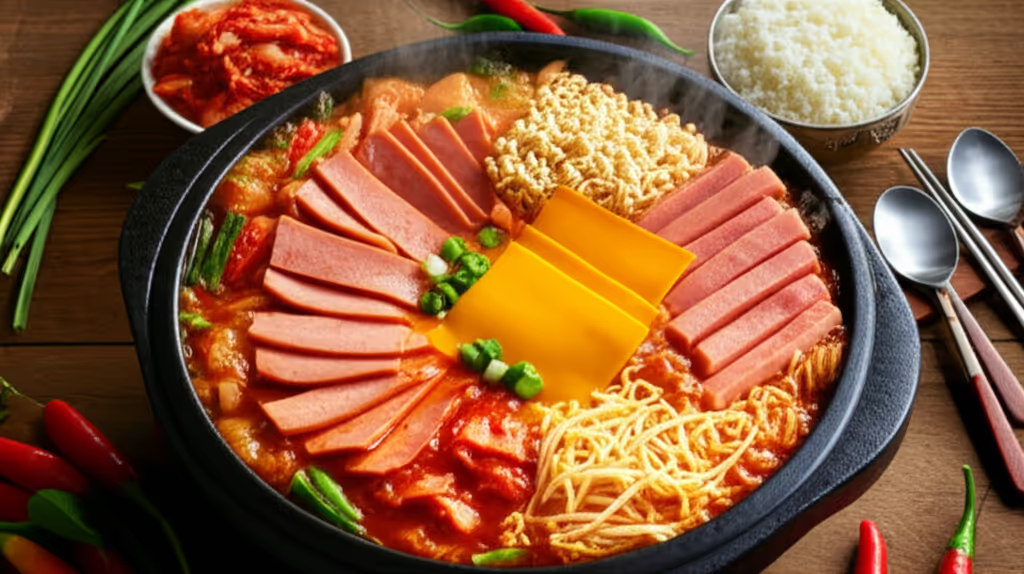
Budae-jjigae (Korean Army Stew)
Budae-jjigae, literally "army base stew," is a unique fusion dish born near U.S. military bases after the Korean War. This stew combines American ingredients like spam, sausages, and baked beans with Korean kimchi, gochujang, and ramen noodles, creating one of Korea's most beloved comfort foods. Uijeongbu and Songtan are famous as the birthplaces of this iconic dish.
History of Budae-jjigae
In the 1950s, following the Korean War, food was scarce. Resourceful Koreans began using canned meats and sausages that came from U.S. military bases. What was once called "kkul-kkul-i juk" (pig slop) evolved into today's budae-jjigae. "Budae" means military unit, and this humble stew has become one of Koreans' most cherished comfort foods.
Tips for Best Results
The key to great budae-jjigae is the harmony of diverse ingredients. The salty richness from spam and sausages, the tangy fermented taste of kimchi, the chewy texture of ramen, and the creamy melt of cheese must all come together. Using both gochugaru and gochujang in the sauce creates a deep, spicy flavor, while the melting cheese at the end makes the broth luxuriously smooth.
Serving Suggestions
Budae-jjigae is traditionally served with steamed white rice. You can add rice directly to the stew or make fried rice with the remaining broth at the end. It pairs wonderfully with cold Korean cider (chilsung cider) or makgeolli (rice wine).
Instructions:
- 1
- 2
- 3
- 4
- 5
- 6
- 7
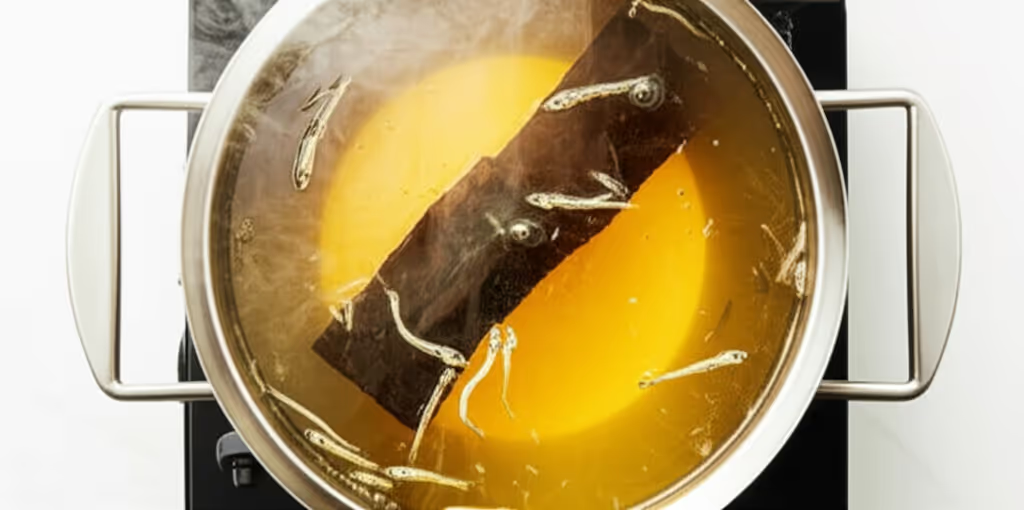
Prepare the Broth
- Prepare 1100ml anchovy and kelp broth
- Alternatively, use water with 1 tsp beef bouillon
- Cool the broth beforehand to easily remove excess fat
- Prepare the Broth
- Prepare 1100ml anchovy and kelp broth
- Alternatively, use water with 1 tsp beef bouillon
- Cool the broth beforehand to easily remove excess fat
- Prepare Ham and Sausages
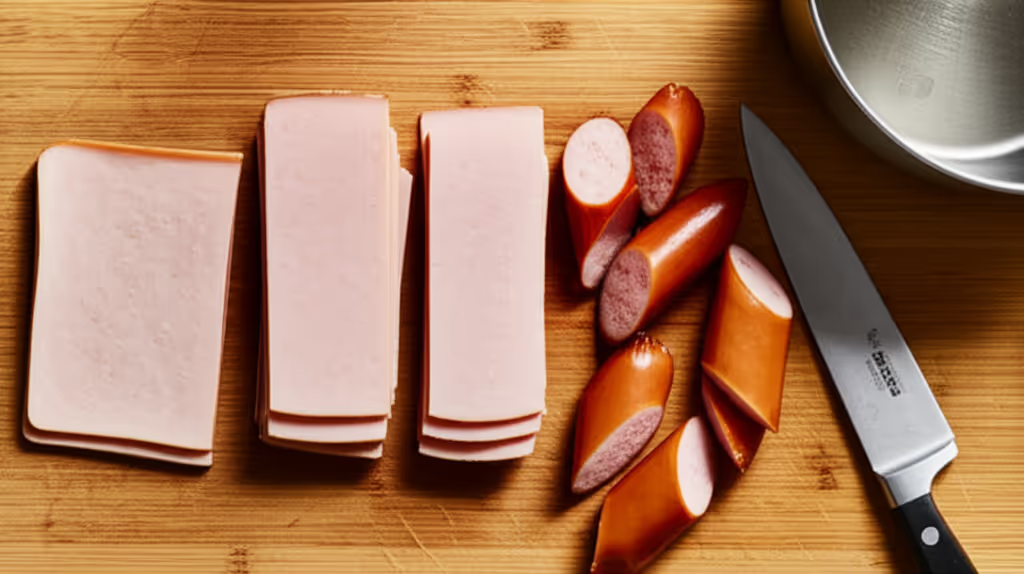
- Briefly blanch 200g spam in hot water to remove excess oil
- Blanch 4 sausages as well
- Slice spam into 0.5cm thick pieces
- Cut sausages diagonally
- Make the Sauce
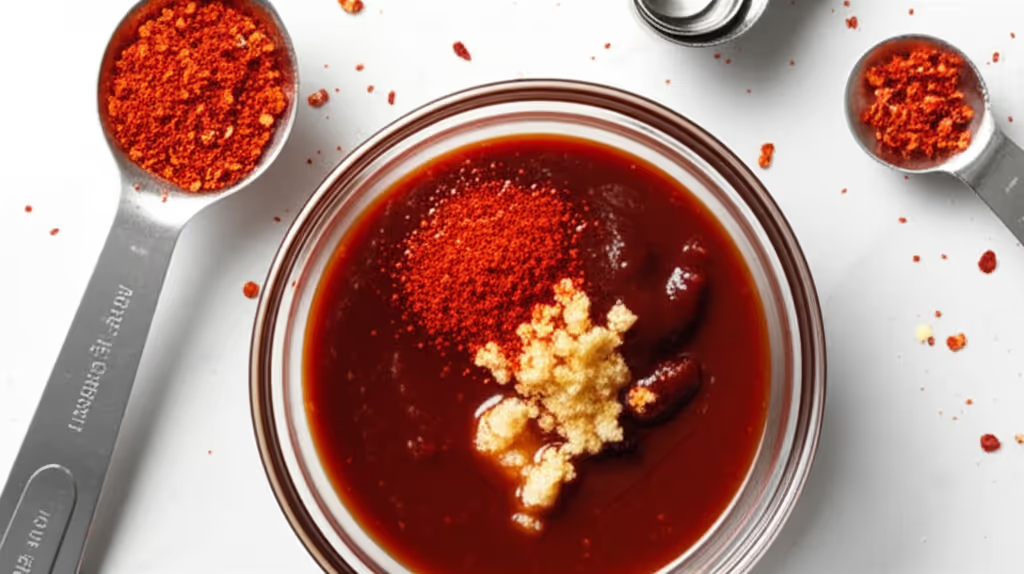
- Add 3 tablespoons gochugaru (red pepper flakes)
- Add 1 tablespoon gochujang (red pepper paste)
- Add 1 tablespoon minced garlic
- Add 2 tablespoons soy sauce and 1 tablespoon mirin
- Add 0.5 tablespoon sugar and a pinch of black pepper, mix well
- Season the Ground Pork

- Prepare 100g ground pork
- Add 0.5 tablespoon soy sauce and 0.5 tablespoon mirin
- Add 0.5 tablespoon minced garlic and a pinch of black pepper
- Mix well and let marinate for 10 minutes
- Prep the Vegetables

- Cut 1 green onion into large diagonal pieces
- Slice 2 green chili peppers diagonally
- Slice half an onion
- Cut 150g aged kimchi into bite-sized pieces
- Wash and prepare a handful of bean sprouts
- Arrange Ingredients in Pot

- Layer bean sprouts on the bottom of the pot
- Arrange kimchi, spam, and sausages neatly
- Add ground pork and rice cake slices
- Add 3 tablespoons baked beans
- Place onion, green onion, and chili peppers on top
- Put the sauce in the center
- Add Broth and Boil
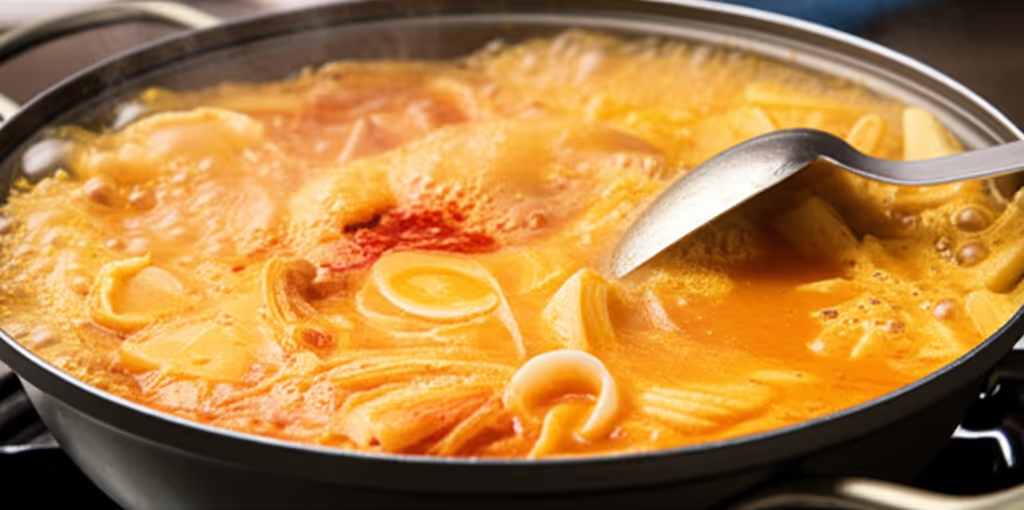
- Pour in 1100ml broth
- Bring to boil on high heat, then reduce to medium
- Dissolve the sauce while boiling for 10 minutes
- Taste and season with salt as needed
- Add Ramen and Cheese

- Add 1 package of instant ramen noodles
- Top with 2 slices of American cheese
- Boil for 3-4 more minutes until noodles are cooked
- Optionally add a beaten egg for extra richness
Recipe Notes:
- Blanching spam and sausages reduces excess oil and sodium.
- Aged kimchi provides a deeper, more refreshing flavor to the broth.
- Anchovy-kelp broth creates a cleaner tasting base.
- Omitting gochujang makes it less sweet and more purely spicy.
- Add ramen at the end to keep noodles firm and chewy.
- Add cheese just before turning off heat for perfect melting.
- Tofu makes a great addition; rice cakes can be substituted with tteokbokki rice cakes.
- Tastes even better when reheated the next day.
Ingredients:
Serving size
Main Ingredients
- 200 g spam
- 4 sausages (Vienna or frankfurter)
- 100 g ground pork
- 150 g aged kimchi
- 1 handful bean sprouts
- 0.5 onion
- 1 stalk green onion
- 2 green chili peppers
- 1 handful rice cake slices
- 3 tbsp baked beans
- 1 package instant ramen noodles
- 2 slices American cheese
Broth
- 1100 ml anchovy-kelp broth (or water)
Sauce
- 3 tbsp gochugaru (red pepper flakes)
- 1 tbsp gochujang (red pepper paste)
- 1 tbsp minced garlic
- 2 tbsp soy sauce
- 1 tbsp mirin
- 0.5 tbsp sugar
- pinch black pepper
Pork Seasoning
- 0.5 tbsp soy sauce
- 0.5 tbsp mirin
- 0.5 tbsp minced garlic
- pinch black pepper