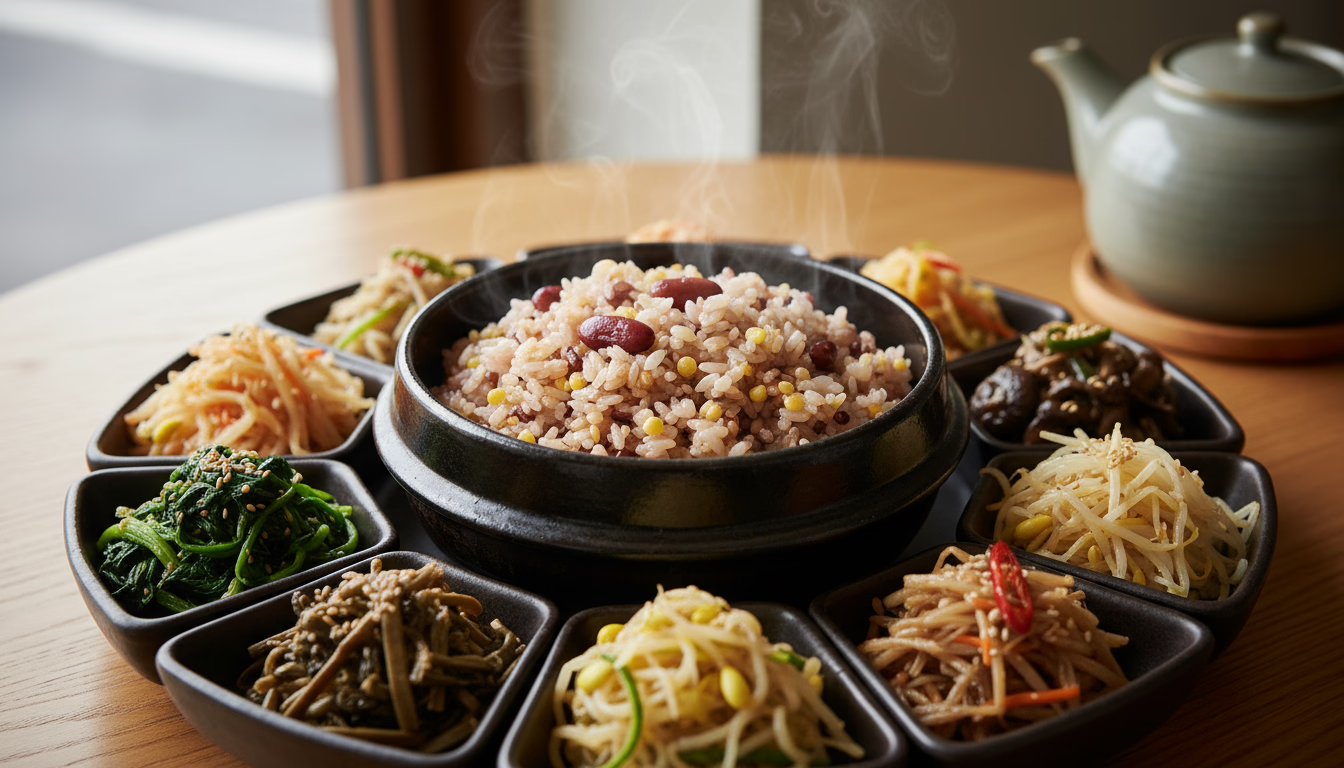
Five Grain Rice with Nine Vegetables
- Korean Food Addict
- Sep 11, 2025
About Five Grain Rice with Nine Vegetables
Five grain rice with nine vegetables is a traditional Korean holiday dish, especially enjoyed during Jeongwol Daeboreum (the first full moon of the lunar year). This nutritious meal consists of rice made with five grains - glutinous rice, millet, sticky brown rice, foxtail millet, and Italian millet - accompanied by nine seasonal vegetables. Korean tradition holds that eating this meal brings health and blessings throughout the year.
History and Origin
Five grain rice has been a traditional Jeongwol Daeboreum food since the Joseon Dynasty. Korean folklore says that eating rice mixed with various grains brings a bountiful harvest that year, and consuming nine vegetables prevents summer heat fatigue. This dish also carries the meaning of community harmony, as neighbors traditionally shared this meal together, beautifully embodying Korean cultural values.
Cooking Tips
The key to delicious five grain rice is pre-cooking the red beans and using the cooking water with the grains. After thoroughly cooking the red beans until tender, add about 500ml of the red bean water to the pressure cooker with the grains for evenly cooked rice with beautiful color. For the vegetables, don't rush the cooking process. Especially with dried vegetables, quick stir-frying makes them tough and hard, so soak them thoroughly, then steam covered before stir-frying for tender results.
Using a 1:1 ratio of cooking oil to sesame oil creates sufficiently nutty and fragrant vegetables without using pure sesame oil, making it both economical and delicious.
Storage and Uses
Five grain rice can be frozen when made in large batches. Divide into single portions in airtight containers and freeze for up to one month. Cooked vegetables should be refrigerated and consumed within 2-3 days. Leftover vegetables are excellent on bibimbap or noodles, and mixing five grain rice with vegetables, sesame oil, and gochujang creates a perfect complete meal.
Instructions:
- 1
- 2
- 3
- 4
- 5
- 6
- 7
- 8
- 9
- 10
- 11
- 12
- 13
- 14
- 15
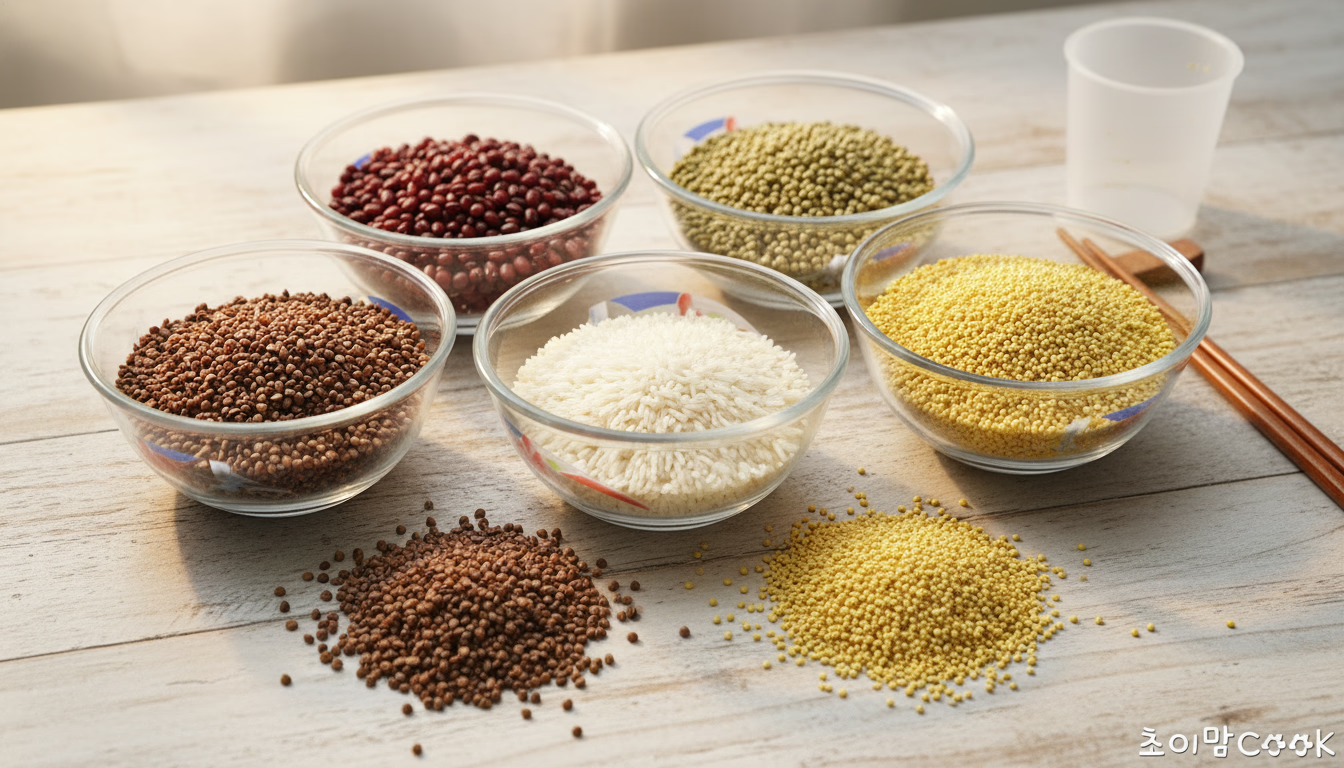
Prepare the Grains
- Prepare 2 cups glutinous rice, 1 cup millet, 1 cup sticky brown rice, 1 cup foxtail millet, and 1 cup Italian millet
- Also prepare 1 cup red beans
- Prepare the Grains
- Prepare 2 cups glutinous rice, 1 cup millet, 1 cup sticky brown rice, 1 cup foxtail millet, and 1 cup Italian millet
- Also prepare 1 cup red beans
- Wash the Grains
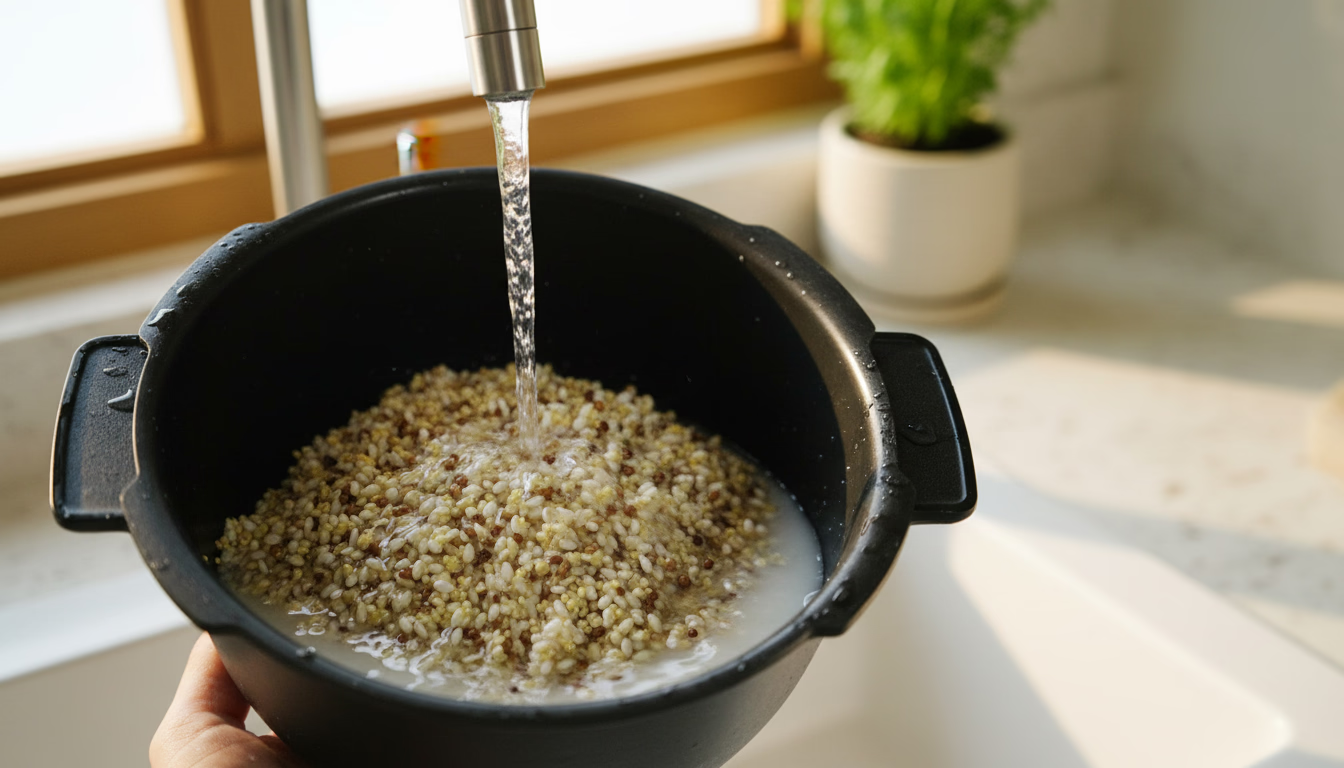
- Thoroughly wash the mixed grains in cold water
- Rinse several times until the water runs clear
- Cook the Red Beans
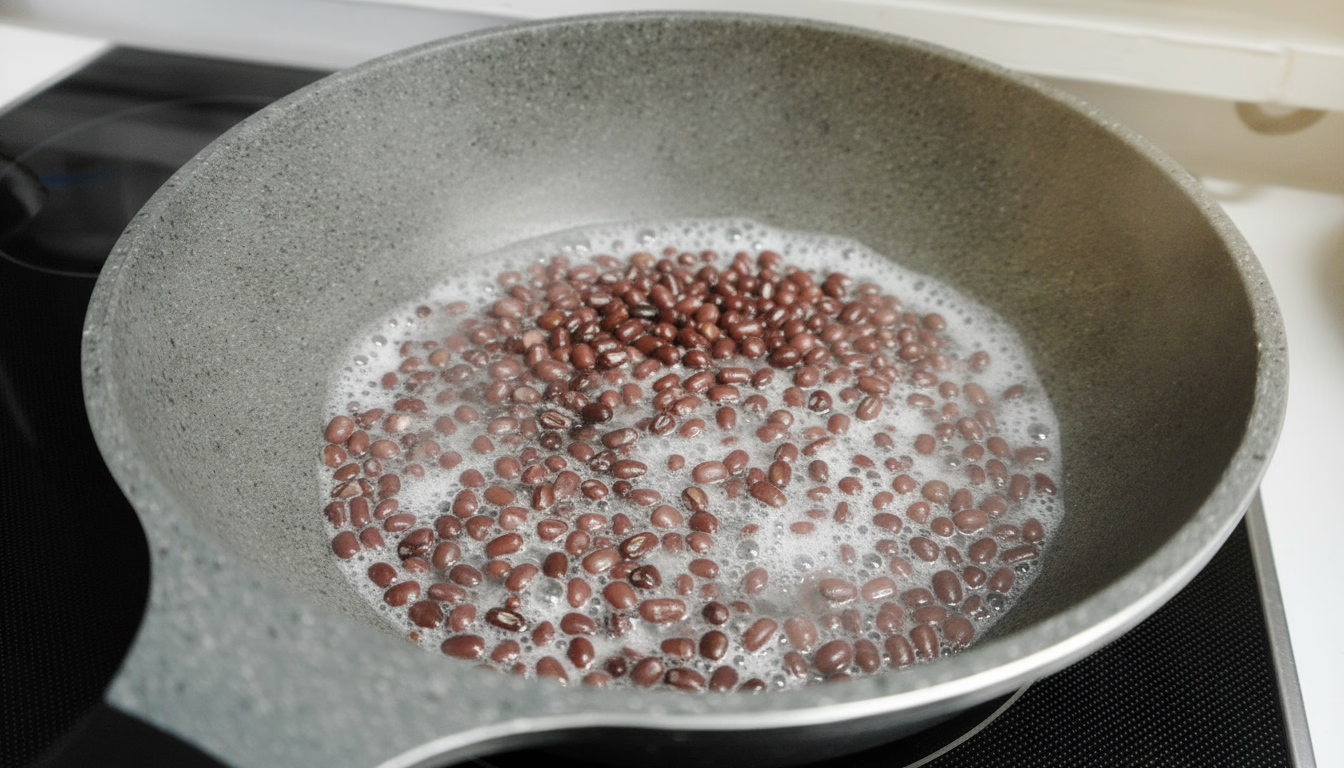
- Put red beans in a pot, add water and cook
- Cook until the red beans are tender
- Add Salt
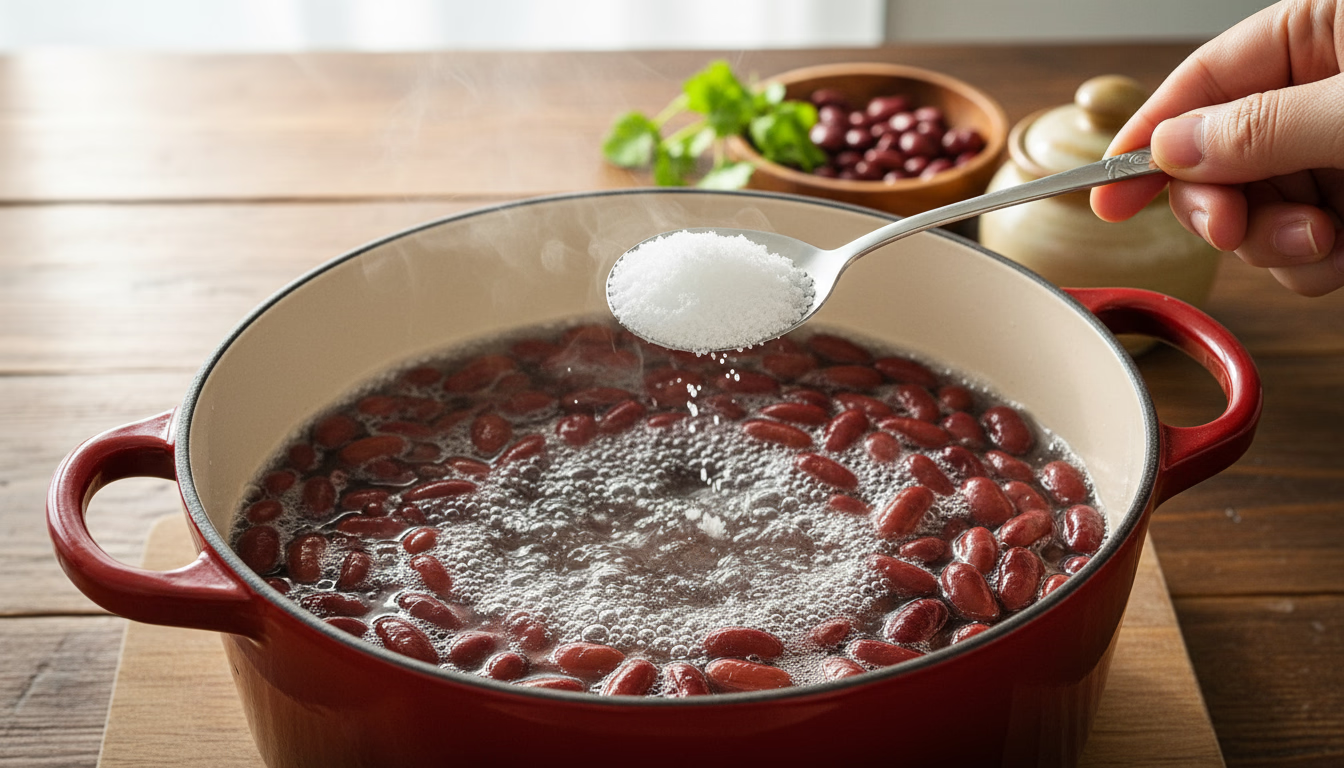
- Add 1/2 teaspoon salt to the red bean cooking water
- Place in Pressure Cooker
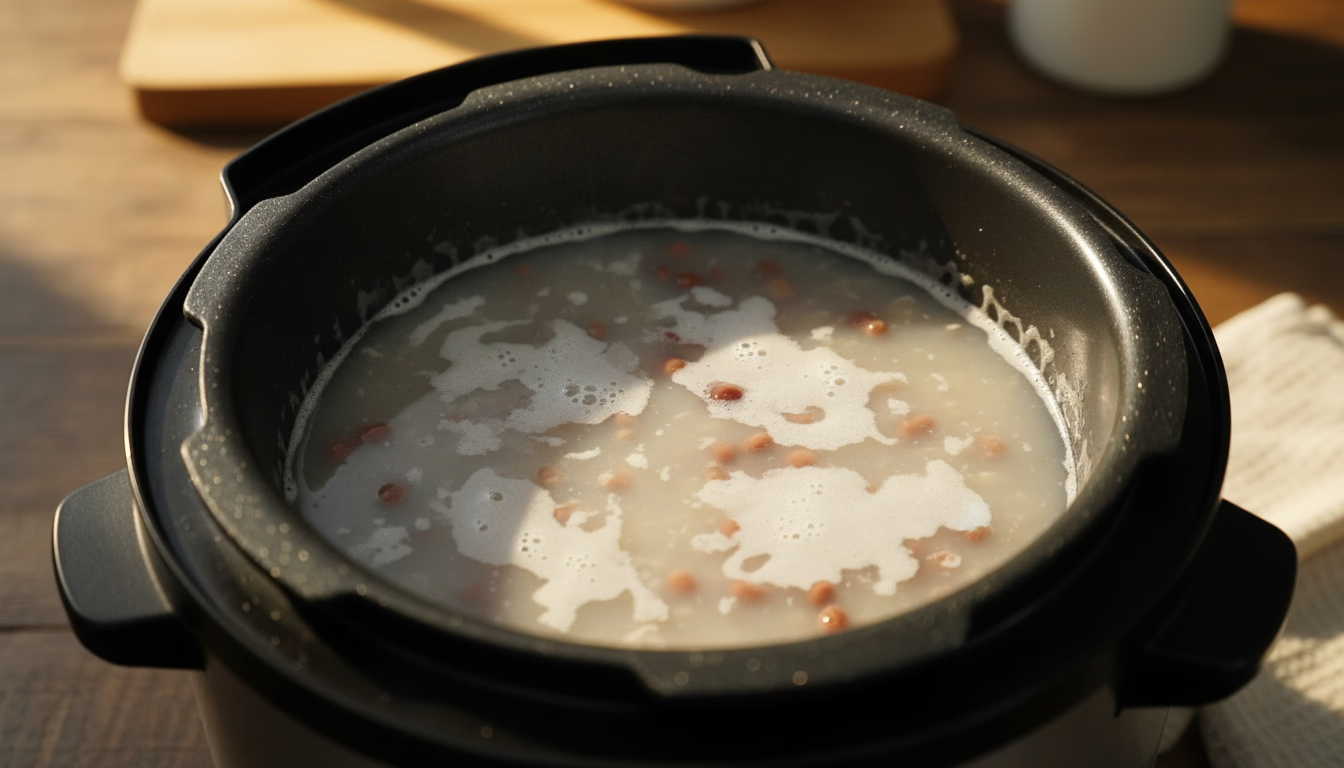
- Add cooked red beans and 500ml of red bean cooking water to the washed grains
- Place in pressure cooker and cook rice (about 1 hour)
- Cool the Rice

- Let the cooked rice steam, then cool slightly
- Cooling makes the rice grains chewier
- Blanch Vegetables

- While cooking rice, prepare various vegetable ingredients
- Blanch taro stems, dried radish greens, and bracken in boiling water
- Cook Zucchini and Eggplant

- Pour hot water over zucchini and eggplant to soften them
- Finish Vegetable Preparation

- Squeeze water from all blanched vegetables and prepare for seasoning
- Julienne Radish

- Cut radish into fine julienne strips
- Salt the Radish
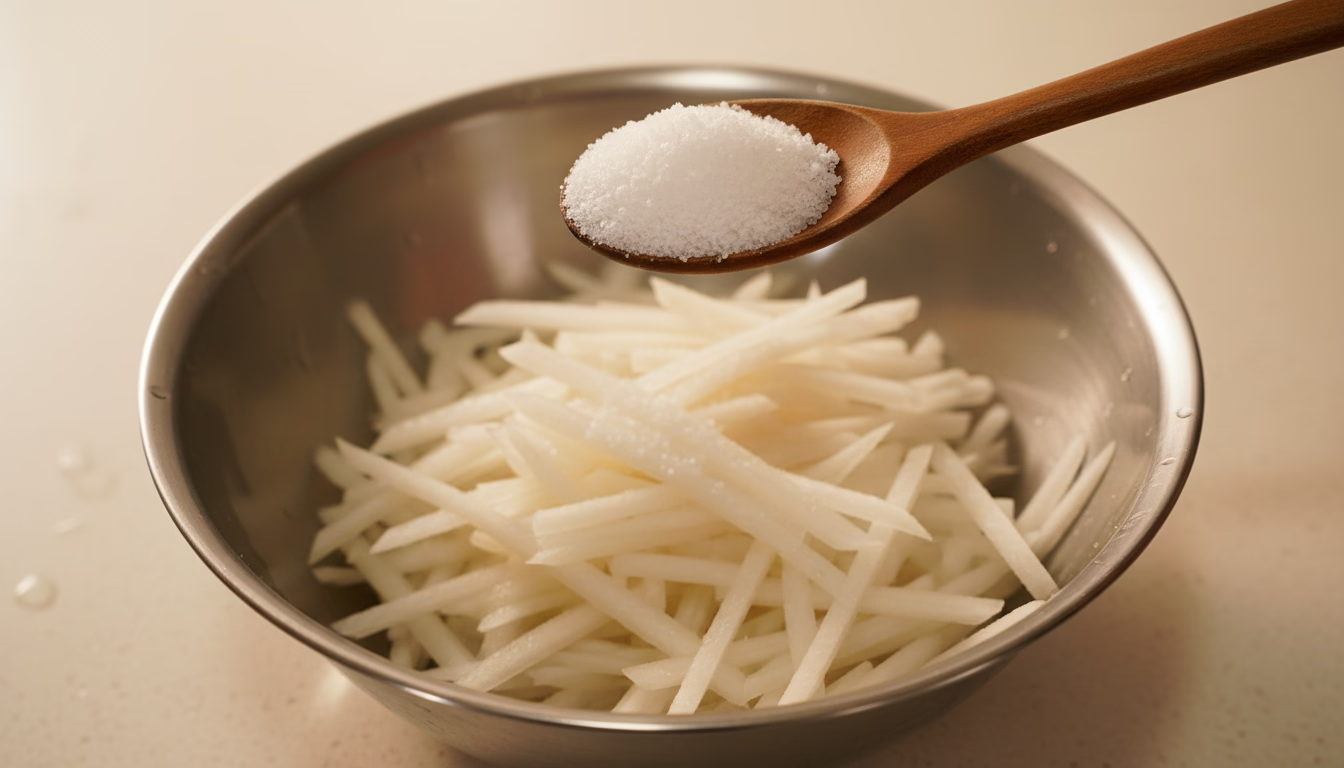
- Sprinkle 1/2 teaspoon salt on the julienned radish
- Pickle the Radish
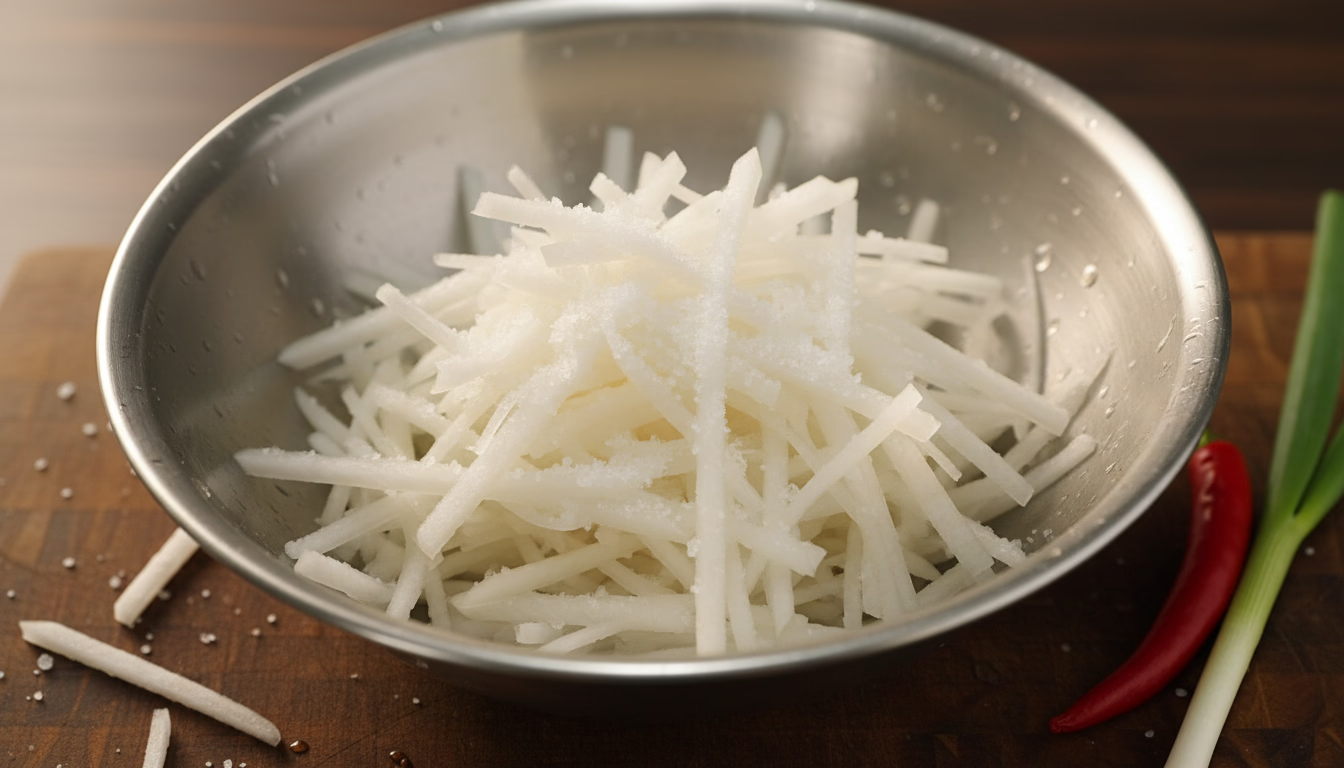
- Let the salt naturally pickle the radish strips
- This improves the texture
- Stir-fry Bean Sprouts and Spinach
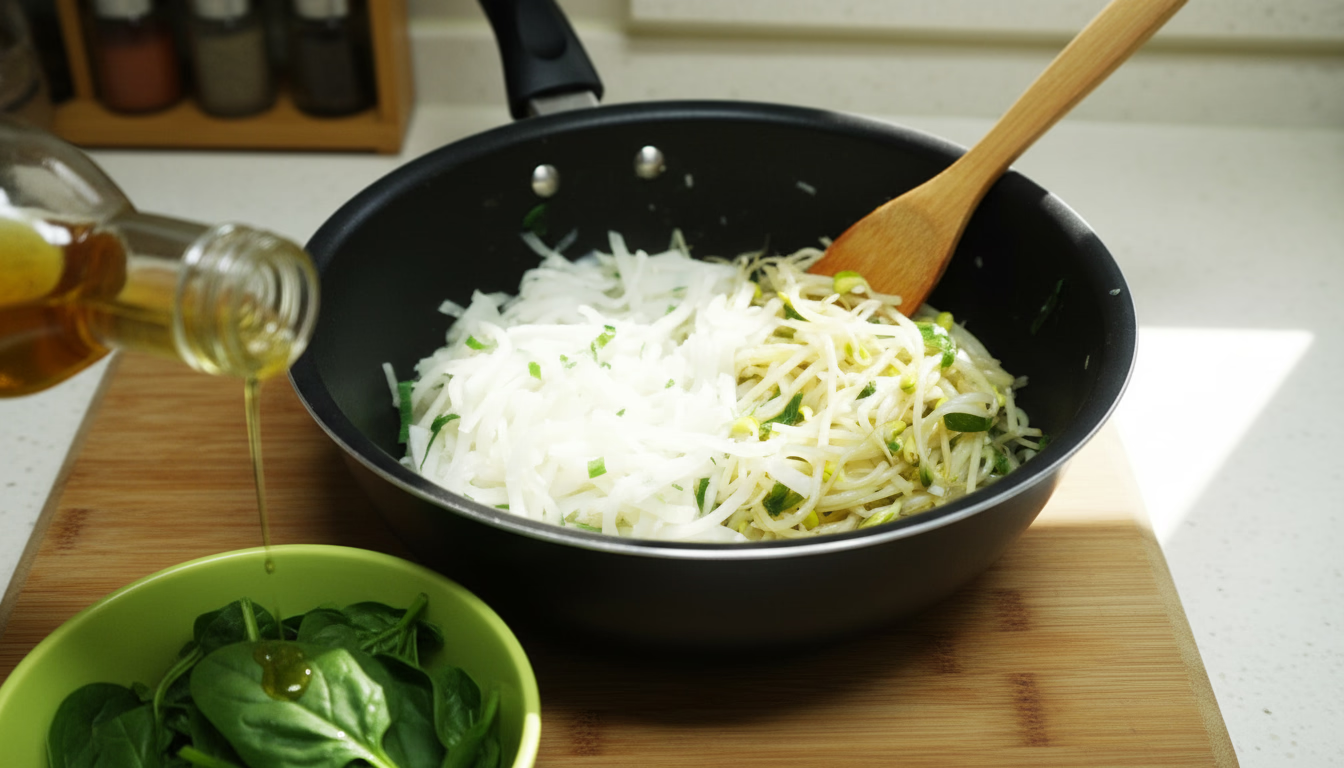
- Stir-fry bean sprouts without a lid
- Season spinach separately with fish sauce
- Cook Quick-Cooking Vegetables

- Stir-fry eggplant and zucchini with cooking oil, sesame oil, fish sauce, minced garlic, green onion, water, and sesame seeds
- Stir-fry eggplant first, then zucchini
- Cook Slow-Cooking Vegetables

- Mix bracken and dried radish greens with fish sauce and garlic
- Cover and steam for 10 minutes, then stir-fry
- Cook thoroughly to avoid toughness
- Complete and Plate

- Beautifully plate the five grain rice and nine vegetables in bowls
- A nutritious traditional Korean meal is complete
Recipe Notes:
- Pre-cooking the red beans and adding them with the grains makes the rice tender.
- If you don't have a pressure cooker, use a regular rice cooker but add more water.
- Dried vegetables should be soaked thoroughly for better texture.
- When cooking vegetables, don't rush - slow cooking prevents toughness.
- Mixing cooking oil and sesame oil 1:1 gives good flavor while being economical.
- You don't need to use pure sesame oil - the mixture is delicious enough.
- Separate quick-cooking vegetables from slow-cooking ones when preparing.
- Stir-fry eggplant first, then zucchini to preserve each vegetable's unique taste.
- Korean tradition says eating five grain rice and nine vegetables on Jeongwol Daeboreum brings year-round health.
- Store leftover vegetables refrigerated and consume within 2-3 days.
Ingredients:
Serving size
Five Grains
- 2 cups Glutinous rice
- 1 cup Millet
- 1 cup Sticky brown rice
- 1 cup Foxtail millet
- 1 cup Italian millet
- 1 cup Red beans
Vegetable Ingredients (200g each)
- 200g Taro stems
- 200g Dried radish greens
- 200g Bracken
- 200g Zucchini
- 200g Eggplant
- 200g Bugleweed
- As needed Bean sprouts
- As needed Spinach
- As needed Radish
Seasoning Ingredients
- 1/2 tsp Salt
- 1 tsp Cooking oil
- 1 tsp Sesame oil
- 1.5 tsp Fish sauce
- 1/2 tsp Minced garlic
- 1/3 stalk Green onion
- As needed Sesame seeds