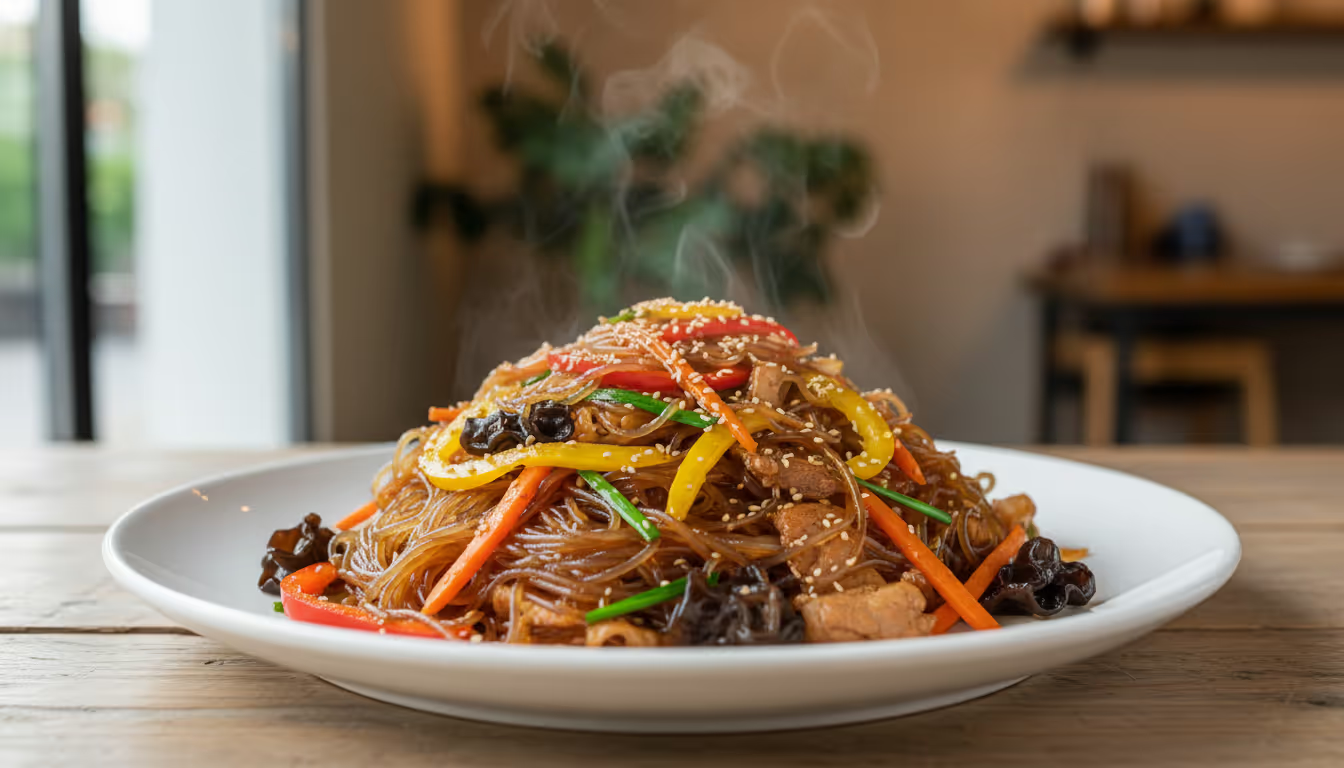
Japchae (Korean Glass Noodle Stir-Fry)
- Korean Food Addict
- Jul 8, 2025
Japchae (Korean Glass Noodle Stir-Fry)
Japchae is a quintessential Korean dish made by stir-frying glass noodles (dangmyeon) with various vegetables and meat in a soy-based sauce. The glossy noodles combined with colorful vegetables create a beautiful presentation, and the sweet-savory flavor makes it beloved by all ages. While essential for holidays and celebrations, it's surprisingly easy to make as a regular side dish.
History of Japchae
Japchae originated as royal court cuisine during the Joseon Dynasty, originally made only with various stir-fried vegetables without noodles. The name comes from "jap" (雜) meaning "mixed" and "chae" (菜) meaning "vegetables," referring to a dish of mixed vegetables. Glass noodles from China were later added, creating the modern form. It spread from the royal court to common people and became one of Korea's most iconic dishes.
Cooking Tips
The keys to delicious japchae are perfectly cooked noodles and the right sauce ratio. Noodles must be boiled for exactly 11 minutes to achieve the ideal chewy texture, and the golden recipe uses a 1:2 ratio of soy sauce to corn syrup. Season the noodles thoroughly first, then let them cool—add generous canola oil to prevent sticking and create that signature gloss. Stir-fry vegetables and meat separately to preserve their individual textures and aromas. After seasoning the noodles, cool them completely before mixing with vegetables to keep the vegetables crisp rather than wilted.
Storage and Serving
Japchae can be refrigerated for 3-4 days. Over time, the noodles absorb the sauce and develop deeper flavor, but they can become hard if stored too long. Add extra sesame oil and sesame seeds just before serving to enhance aroma. Delicious both cold and reheated, it's perfect for lunchboxes. Leftover japchae can be wrapped in egg to make japchae-jeon (savory pancake) or stir-fried with rice for japchae-bap.
Instructions:
- 1
- 2
- 3
- 4
- 5
- 6
- 7
Soak Wood Ear Mushrooms
- Soak 1 handful of wood ear mushrooms in water briefly
- Soak Wood Ear Mushrooms
- Soak 1 handful of wood ear mushrooms in water briefly
- Marinate the Meat
- Prepare 1 handful of pork for japchae
- Add 1 teaspoon minced garlic
- Add 1 teaspoon soy sauce
- Add 1 teaspoon sesame oil
- Add 2 teaspoons mirin (sweet rice wine)
- Add a pinch of black pepper
- Marinate for about 20 minutes
- Cut the Vegetables
- Prepare vegetables except chives
- Slice 1/2 onion into bite-sized pieces
- Slice carrots into bite-sized pieces
- Slice bell peppers into bite-sized pieces
- Boil the Glass Noodles
- Bring water to a boil
- Add 1.5 handfuls of glass noodles (dangmyeon)
- Boil for 11 minutes
- Drain and rinse with cold water
- Stir-Fry Vegetables and Meat
- While noodles are boiling, prepare to stir-fry
- Preheat a frying pan
- Stir-fry vegetables and meat separately
- Cook each until done
- Make the Japchae Sauce
- Prepare 10 tablespoons soy sauce
- Prepare 20 tablespoons corn syrup (leveled)
- Mix soy sauce and corn syrup in 1:2 ratio
- Bring to a vigorous boil
- Season the Noodles
- Add boiled noodles to the sauce
- Add about 4 tablespoons canola oil
- Stir over high heat
- Cook until sauce reduces and coats the noodles
- Finish the Japchae
- When sauce has reduced, turn off heat
- Transfer to a large bowl to cool
- Add all prepared vegetables
- Add stir-fried meat
- Mix everything together thoroughly
- Transfer to serving plate
Recipe Notes:
- Sweetness varies by preference, so adjust gradually while tasting.
- Oligosaccharide syrup is sweeter, so reduce the amount if substituting.
- Adding enough canola oil prevents noodles from sticking together.
- Boiling noodles for exactly 11 minutes is key to achieving the perfect texture.
- The golden ratio for sauce is 1:2 soy sauce to corn syrup.
- Stir-fry vegetables and meat separately to maintain individual textures.
- Season noodles first, let cool, then add vegetables to keep them crisp.
- Can be refrigerated for 3-4 days.
- Add extra sesame oil and sesame seeds before serving for enhanced flavor.
Ingredients:
Serving size
Main Ingredients
- 1.5 handfuls glass noodles (dangmyeon)
- 1 handful pork for japchae
- 1/2 onion
- some carrots
- some bell peppers
- 1 handful wood ear mushrooms
- some chives
Meat Marinade
- 1 teaspoon minced garlic
- 1 teaspoon soy sauce
- 1 teaspoon sesame oil
- 2 teaspoons mirin (sweet rice wine)
- pinch black pepper
Japchae Sauce
- 10 tablespoons soy sauce
- 20 tablespoons corn syrup
- 4 tablespoons canola oil